




Fine Ceramics, sometimes referred to as "advanced ceramics," are engineered materials that support the development of cutting-edge technology.
Strength (1)
Extreme Hardness Surpassing that of Metals
The signature feature of Fine Ceramics (also known as "advanced ceramics") is their extreme hardness; as a result, they have valuable use in high-performance applications, such as industrial cutting tools for milling and grinding metals.
A material's hardness is determined by measuring the size of an indentation made by a sharp diamond pressed strongly onto a material specimen. The hardness of alumina ceramics is nearly three times that of stainless steel; silicon carbide is more than four times harder than stainless steel. This extreme hardness is one of many unique properties that makes Fine Ceramics "super materials" for modern technology.
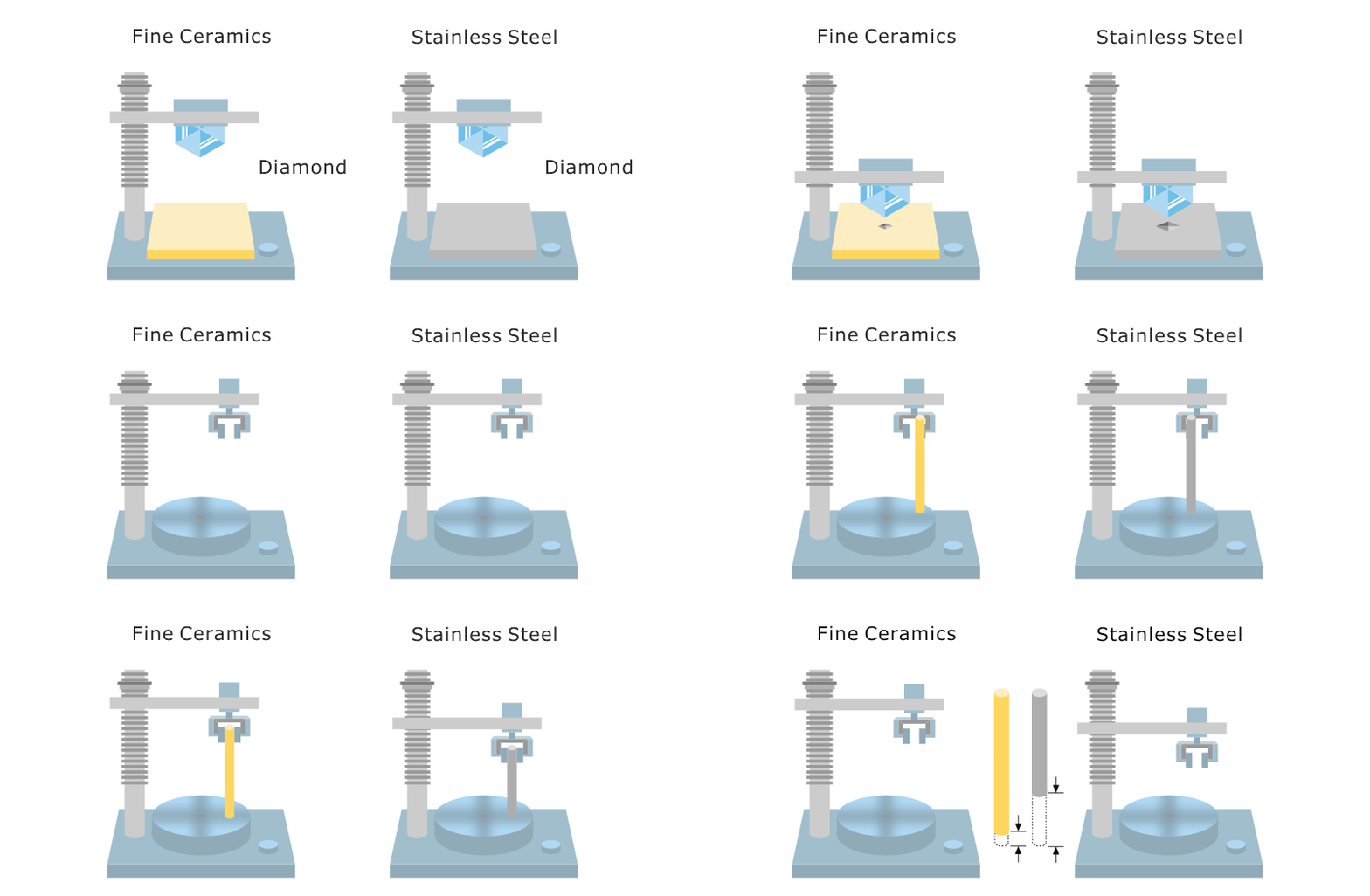
Watch this video to learn about the unique Hardness of Fine Ceramics
Applications: Cutting tools and bearings.
Description
Hardness
The hardness of Fine Ceramics is generally indicated using a Vickers hardness number. The method for measuring the hardness of Fine Ceramics is defined in JIS R 1610 (ISO 14705: 2000). Vickers hardness is a resistance value obtained by pressing a diamond indenter onto a test specimen.
Extreme hardness is the primary feature that endows Fine Ceramics with their superior wear resistance. This has led to the use of Fine Ceramics in a wide range of applications, including pump components, cutting tools, seal rings, bearings and a multitude of wear-resistant components for industrial equipment.
Vickers Hardness
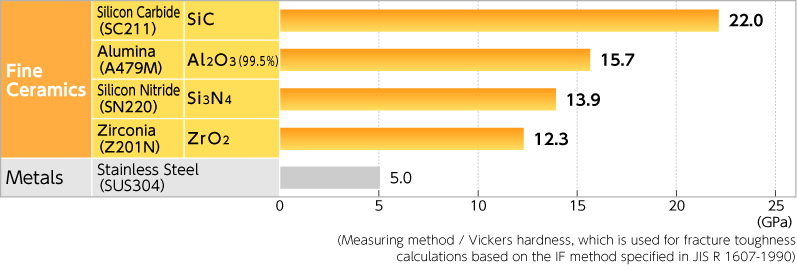
For more information, please see Excerpt of Graph Values.
Wear Resistance
Fine Ceramics that exhibit excellent hardness also greatly surpass most metals in wear resistance. During wear resistance tests, small glass beads were continuously sprayed at high speeds onto Fine Ceramics and metals for extended periods of time. The Fine Ceramics displayed only about 10 percent of the abrasion observed in the stainless steel samples. Additionally, during a test in which disks with Fine Ceramics and metals attached were continuously rotated in wet sand for eight hours, the Fine Ceramics displayed considerably less abrasion.
The term "Fine Ceramics" is interchangeable with "advanced ceramics," "technical ceramics" and "engineered ceramics." Use varies by region and industry.
People who read this page also read.
Strength (2)
Strength (2)
Rigidity—Less Elastic Deformation Compared to Metals
Rigidity—Less Elastic Deformation Compared to Metals
Characteristics of Fine Ceramics
Strength (3)
Strength (3)
Toughness—Highly Resistant to Fracturing
Toughness—Highly Resistant to Fracturing
Characteristics of Fine Ceramics
Strength (4)
Strength (4)
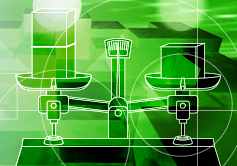
Specific Gravity (Density) to Provide Strength and Lightweight Properties
Specific Gravity (Density) to Provide Strength and Lightweight Properties
Characteristics of Fine Ceramics
Different Types of Fine Ceramics
Different Types of Fine Ceramics
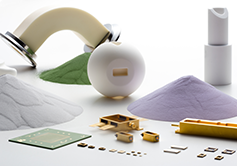
Wide Variety of Products to Support both Industry and Society
Wide Variety of Products to Support both Industry and Society
Introduction to Fine Ceramics
Decorative Fine Ceramics
Decorative Fine Ceramics
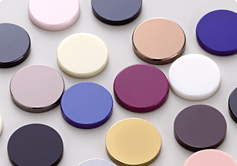
Designed to Express Deep Color and Luster
Designed to Express Deep Color and Luster
Learning about Fine Ceramics
If you want to use ceramics in business, click here.
Kyocera's Fine Ceramics products (All websites below open in a separate window.)
Product Category
 Semiconductor / LCD Processing Equipment
 Life / Culture / Industrial Machines
 Wireless Communications
 Computer Peripherals
 Environmental Preservation / Renewable Energy
 Medical Equipment / Devices
 Single-Crystal Sapphire Products
 Metallized / Vacuum Components
 Electronics Industry
 Heaters
 Piezoelectric Ceramics
Search by Material
 Alumina
 Silicon Nitride
 Silicon Carbide
 Sapphire
 Zirconia
 Cordierite
 Yttria
 Aluminum Nitride
 Cermet
 Mullite
 Steatite
 Forsterite
Search by Property/Characteristic


- Thermal Properties
- Coefficient of Thermal Expansion
- Thermal Conductivity
- Heat Shock Resistance

- Electrical Properties
- Insulation / Semiconductivity

- Chemical Properties
- Chemical Resistance
The Fine Ceramics World website is managed by Kyocera Corporation