




Fine Ceramics, sometimes referred to as "advanced ceramics," are engineered materials that support the development of cutting-edge technology.
What are Fine Ceramics?
Term Coined by the Founder of Kyocera
High-precision ceramics create infinite value for society
Metal, organic materials, and ceramics are referred to as "The Big Three" materials. The English word for ceramics is derived from the Greek word "keramos", which means "burned clay."
The term ceramics originally referred almost exclusively to china. Today, we often refer to non-metallic, inorganic substances such as refractories, glass, and cements as ceramics. For this reason, ceramics are now regarded as "non-metallic, inorganic substances that are manufactured through a process of molding or shaping and exposure to high temperatures."
Among ceramics, porcelains are used in electronics and other high-tech industries, so they must meet highly precise specifications and demanding performance requirements. Today, they are called Fine Ceramics (also known as "advanced ceramics")* to distinguish them from conventional ceramics made from natural materials, such as clay and silica rock. Fine Ceramics are carefully engineered materials in which the chemical composition has been precisely adjusted using refined or synthesized raw powder, with a well-controlled method of forming and sintering.
Also, according to ISO** 20507 ("Fine ceramics – Vocabulary") and JIS*** R 1600, Fine Ceramics are "produced with precisely controlled chemical compositions, microstructures, configurations and production processes to fulfill intended functions, and are composed mainly of non-metallic, inorganic substances."
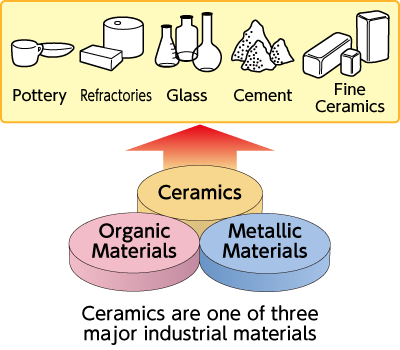
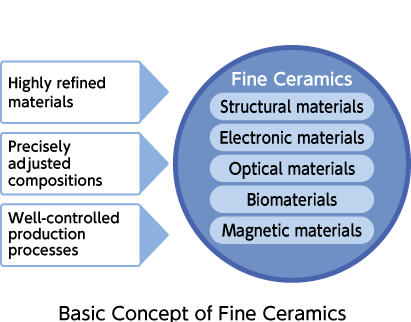
What are Fine Ceramics?
* The Pioneer of "Fine Ceramics (also known as "advanced ceramics")"
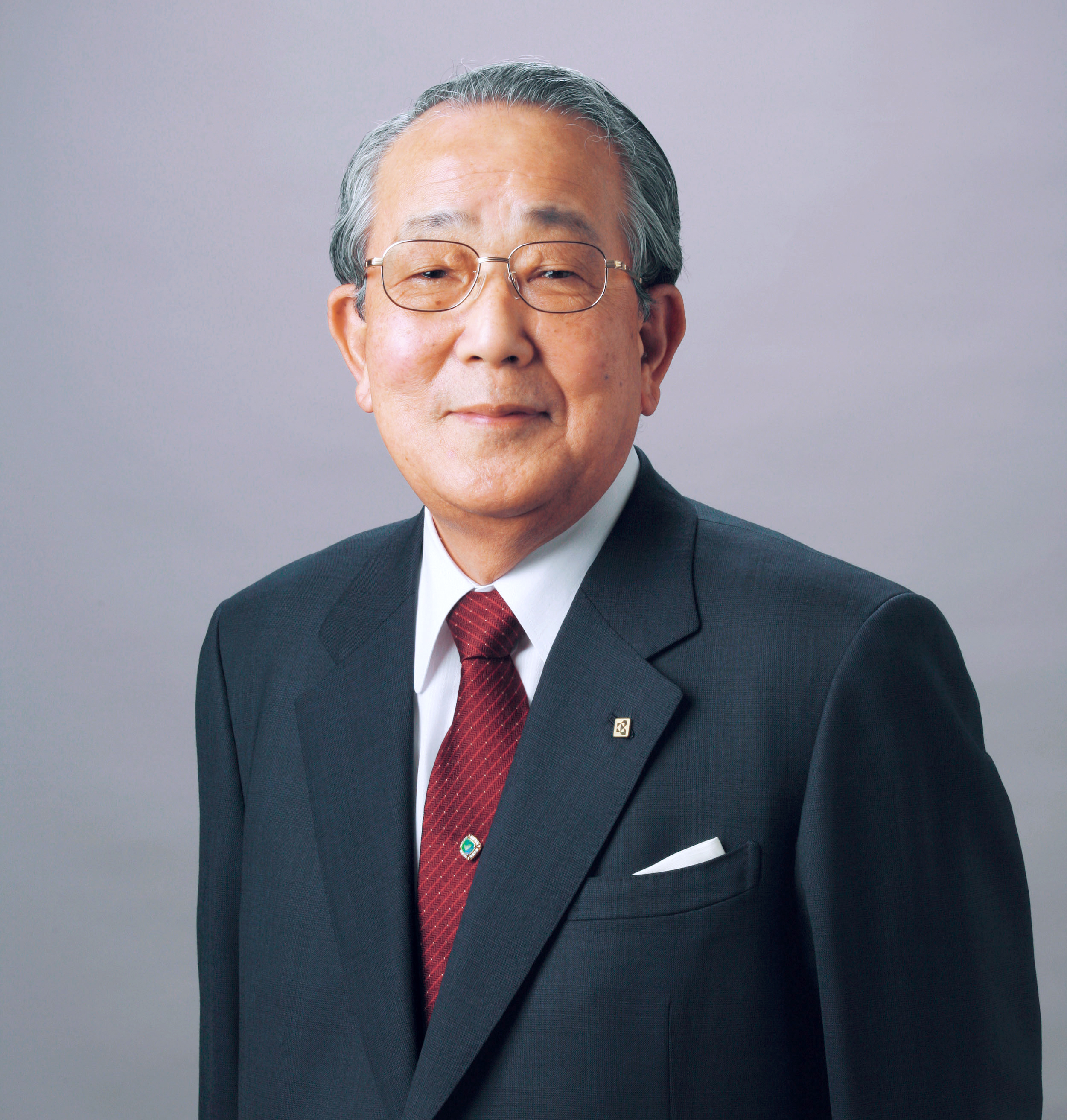
The term "Fine Ceramics" came into common use in the 1970s. Kyocera Corporation, founded as Kyoto Ceramic Co., Ltd., has primarily manufactured ceramics for the electronics industry since its inception in 1959. Founder Dr. Kazuo Inamori has maintained that "unlike conventional ceramics, Fine Ceramics possess high added-value in industrial applications. Their value should not be measured based on volume and they must be 'fine' both physically and structurally." He was therefore the first person to use the term "Fine Ceramics" in the contemporary sense.
Reference: Prefatory note of Ceramics 1973-6, The Ceramic Society of Japan
** The International Organization for Standardization (ISO) is an international-standard-setting body comprised of representatives from a variety of national standards organizations.
*** Japanese Industrial Standards (JIS) are the standards applied to industrial activities in Japan. The standardization process is managed by the Japanese Industrial Standards Committee and published through the Japanese Standards Association.
The term "Fine Ceramics" is interchangeable with "advanced ceramics," "technical ceramics" and "engineered ceramics." Use varies by region and industry.
People who read this page also read.
Ceramics vs. Fine Ceramics
Ceramics vs. Fine Ceramics
Big Differences in Raw Materials and Production Processing
Big Differences in Raw Materials and Production Processing
Introduction to Fine Ceramics
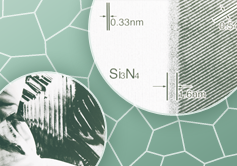
Fine Ceramics Use Highly Purified Raw Materials
Fine Ceramics Use Highly Purified Raw Materials
Raw Materials Need to Meet Demanding Performance Requirements
Raw Materials Need to Meet Demanding Performance Requirements
Introduction to Fine Ceramics
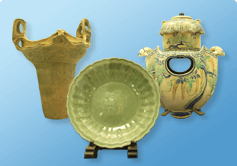
History of Fine Ceramics
History of Fine Ceramics
Rooted in Jomon Ware Used Over 10,000 Years Ago
Rooted in Jomon Ware Used Over 10,000 Years Ago
Introduction to Fine Ceramics

Four-Frame "Manga" Comics
Four-Frame "Manga" Comics
Easy to Watch, Touch and Understand Fine Ceramics
Easy to Watch, Touch and Understand Fine Ceramics
Four-Frame "Manga" Comics
If you want to use ceramics in business, click here.
Kyocera's Fine Ceramics products (All websites below open in a separate window.)
Product Category
 Semiconductor / LCD Processing Equipment
 Life / Culture / Industrial Machines
 Wireless Communications
 Computer Peripherals
 Environmental Preservation / Renewable Energy
 Medical Equipment / Devices
 Single-Crystal Sapphire Products
 Metallized / Vacuum Components
 Electronics Industry
 Heaters
 Piezoelectric Ceramics
Search by Material
 Alumina
 Silicon Nitride
 Silicon Carbide
 Sapphire
 Zirconia
 Cordierite
 Yttria
 Aluminum Nitride
 Cermet
 Mullite
 Steatite
 Forsterite
Search by Property/Characteristic


- Thermal Properties
- Coefficient of Thermal Expansion
- Thermal Conductivity
- Heat Shock Resistance

- Electrical Properties
- Insulation / Semiconductivity

- Chemical Properties
- Chemical Resistance
The Fine Ceramics World website is managed by Kyocera Corporation