


IDEA INCUBATOR
Advancing the verification process by "Going beyond the design"
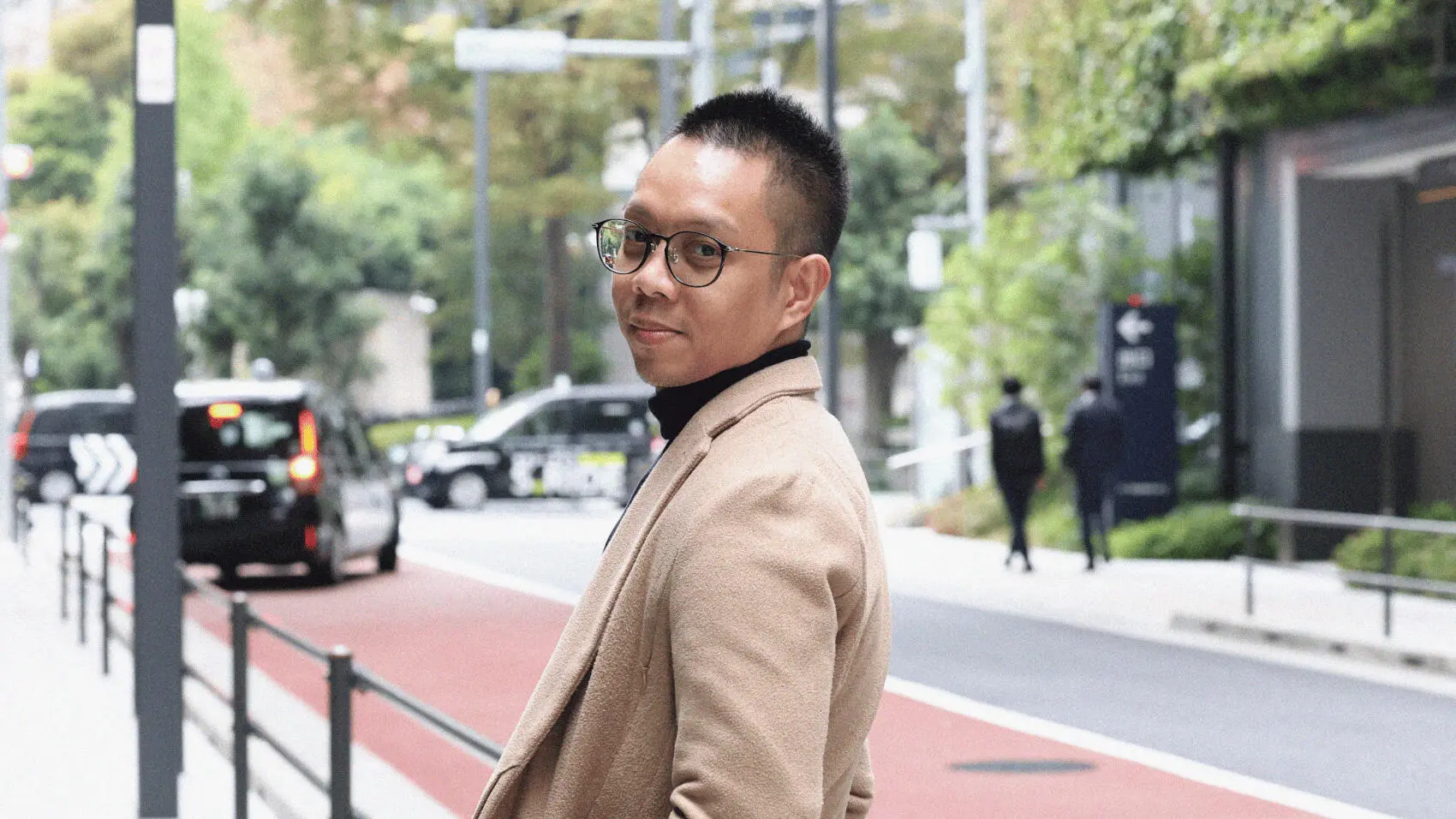
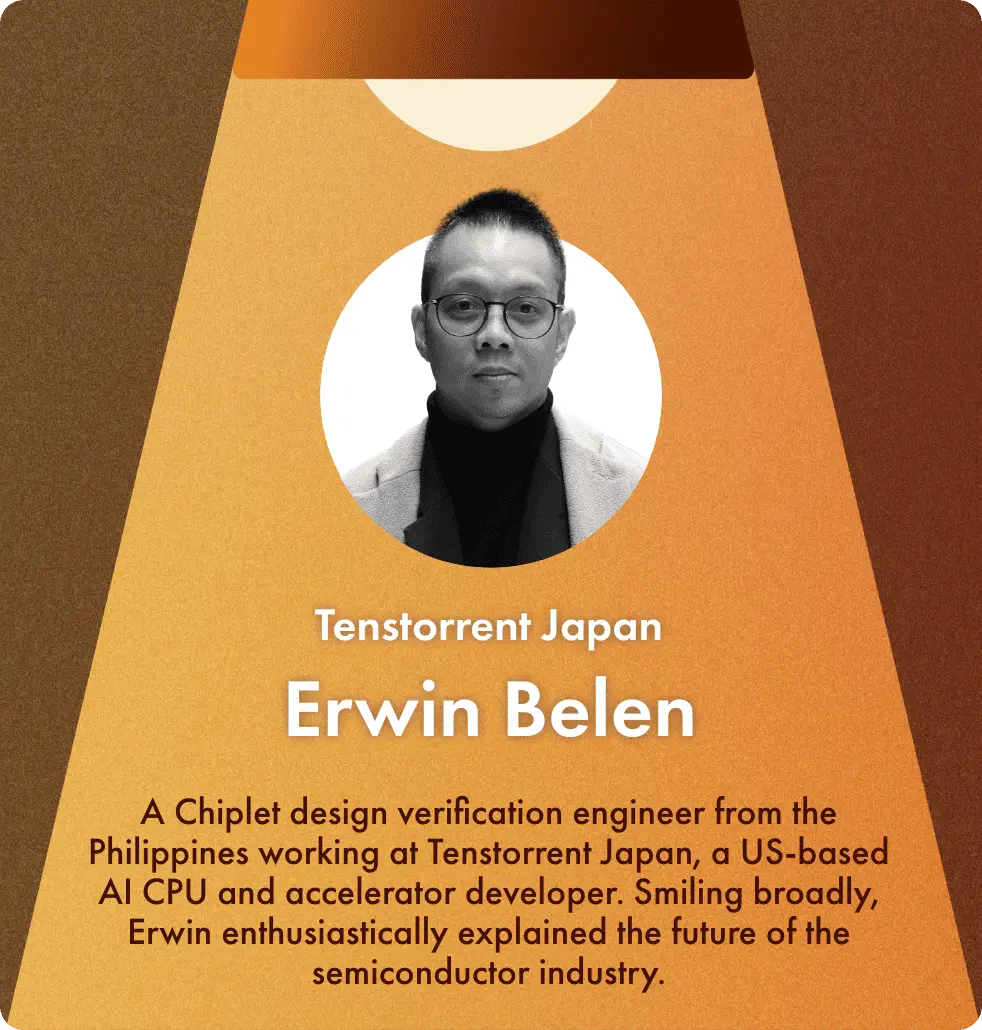
Erwin Belen has worked as a semiconductor design verification engineer for 18 years, and passionately describes how new power-efficient AI semiconductor chips that incorporate open source and open standards have the “benefit of allowing developers to do what they want within AI development in the way they want to do it, and to deliver more specialized and unique experiences to their customers.” In this second article, Erwin explores the important lessons for seeking even greater heights as a design verification engineer.
Preventing rework in design
Semiconductor chips have historically advanced toward higher density in line with Moore’s Law, which states that the density of number of transistors in an integrated circuit doubles about every one and a half to two years. Recently, the pace of this increasing density has begun to slow down, and chips are beginning to reach the limits of chip sizes and miniaturization.
In the face of these issues, Erwin’s job in the design verification process plays an important role in semiconductor development. “In general, the design verification process is about 60% to 70% of the whole chip development process.” Erwin describes the reason for this as follows: “Engineers must repeatedly verify that design flaws—bugs—are identified, while also checking that power consumption, performance, features, functionality, and everything else functions as expected, in order to prevent costly design rework. With software, issues can be fixed through updates or patches, but for semiconductors, which are physical hardware, issues are not so easily corrected.”

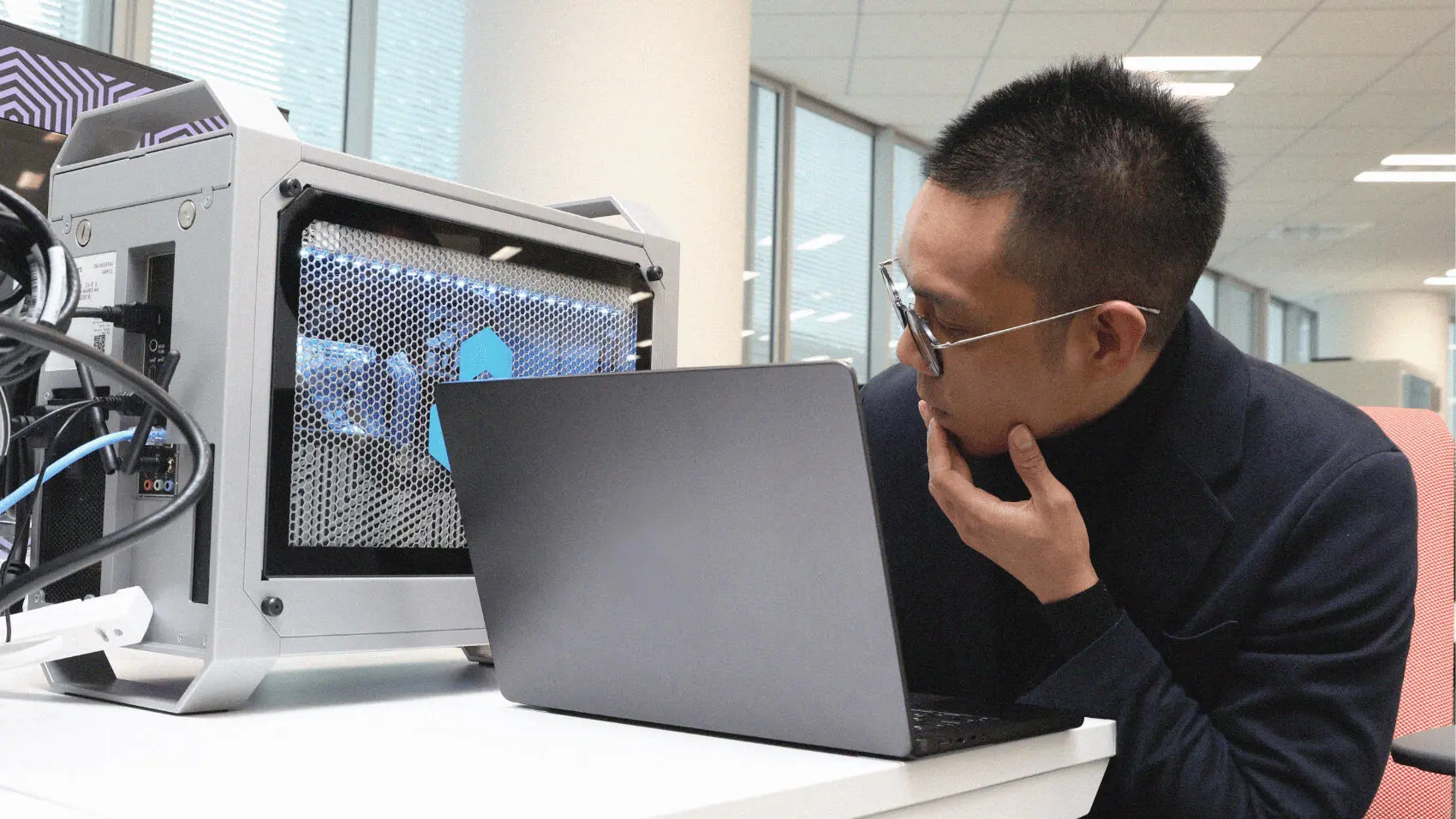
Erwin explains the areas that he focuses on in this process: “As a design verification engineer, your main job is to 'Break the Design'—in other words, to uncover potential bugs hidden in the design. If the design is simple, creating test cases is relatively easy. However, as designs become more complex, determining what to test and how to test it becomes a major challenge. This is the most difficult part of the job for a design verification engineer.”
For example, Erwin notes that even if a bug arises during the process, the responsibility does not rest solely with the design engineers. “The first questions we are asked are why the bug wasn’t discovered, why the design verification was insufficient, and why there was no test to detect the bug.
We have ownership regarding this task, and so we also bear responsibility if there are issues with chip quality. This level of accountability brings a real intensity to our work. We embrace that ownership, and it drives us to be meticulous and deliver our absolute best.” Erwin sometimes listens to house music to shake off that pressure and stay focused.

Experience brings vital skills
When asked about whether he has gained experience from mistakes, Erwin replies without hesitation, “Yes, I have gained experience in many forms.” He adds, “Encountering mistakes can, in a sense, also be a benefit, because experiencing them deepens your understanding of the work. For example, in my own experience, I forgot to create a specific test case, and this resulted in a bug. Experiences like that teach you what needs to be checked in the next phase of the design. Whether you stay in the same company or move to another company, those experiences are extremely valuable in terms of verifying subsequent designs, IP (intellectual property regarding design circuit blocks), and chips. Basically, experience is one of the most important skills I have in design verification.”

In addition, he notes that one of the most important lessons that he learned early in his career as a design verification engineer was realizing, “You don’t know everything and it’s impossible to know everything.” In an environment where technology is evolving at an extremely rapid pace, “Focusing on what you know and seeking advice from experienced managers about what you don’t know is essential to getting the job done right.”
He also cautions against overlooking changes in the landscape surrounding technologies and systems that are currently considered cutting-edge, saying, “it is essential to prepare yourself for changes and to be able to adapt rapidly to these changes on a day-to-day basis.” Reflecting on his own experience, Erwin explains, “My passion for continuously learning new technologies is one of the biggest reasons I’ve been able to continue my career for 18 years in the design verification industry. My knowledge and experience in the latest high-performance computing (HPC) interfaces used in many AI technologies have served as a major advantage for me.”
Exerting powerful self control
Finally, Erwin offers the following message for engineers aspiring to enter the field:
“One of the most important things I’ve learned is to embrace change. Especially in the age of AI, everything—from technology to the way we work—is changing every day. So, if there are changes that you cannot control, you should accept these changes for what they are. The earlier you accept these changes, the earlier you can move on to the next step.”

“Another important lesson that I learned previously is to be adaptable and resilient. In an ever-changing technological environment, an extremely important skill to have is the ability to adapt to these changes—in other words, adaptability and resilience. Lastly, I want to emphasize that you should find joy and have fun. Enjoy what you do, give it your all, and focus on the things that you can control in your life and work and don’t worry so much about the things that you can’t control. Life is too short not to do things you enjoy!”
SHARE


Latest Articles
-

KYOCERA TEACHES
Semiconductor back-end manufacturing overview
-

TRENDING TECH
Why fusion reactors need advanced ceramics
-

KYOCERA TEACHES
Front-end semiconductor manufacturing explained
-

KYOCERA TEACHES
Introduction to Fine Ceramics
-

KYOCERA TV
Kyocera Teaches: How MEMS shape our world
-
KYOCERA TV
Kyocera Teaches: MEMS Actuation Methods