


IDEA INCUBATOR
A 28-year-old engineer's commitment to lifelong learning in the ever-evolving field of robot development
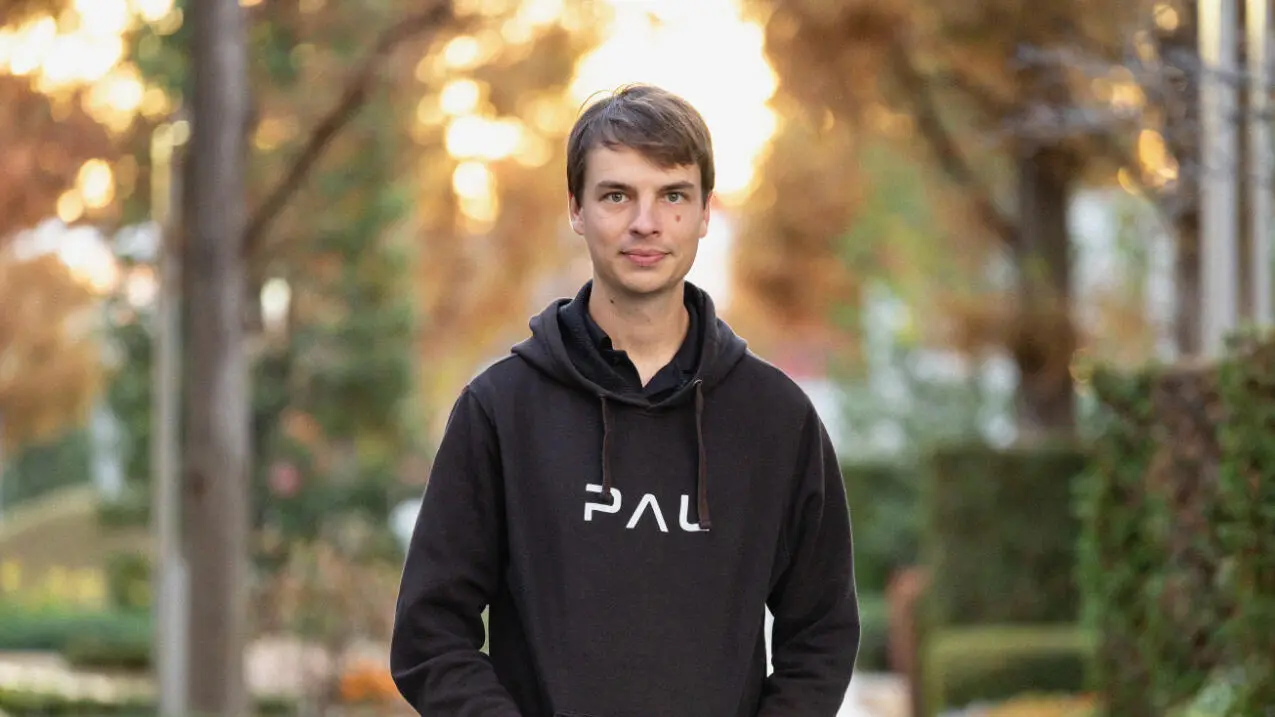
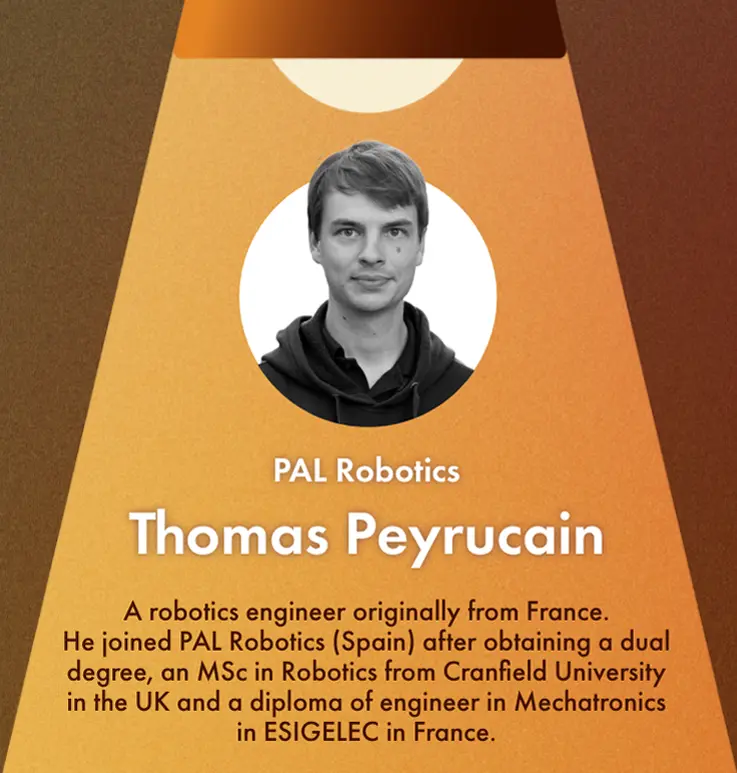
After a fateful encounter with robotics during his internships at an aircraft manufacturer and a public research institution, LAAS-CNRS. Thomas Peyrucain has spent four and a half years as a robotics engineer at the Barcelona, Spain, headquarter of PAL Robotics. In Part 2, we explore his unique methods and mindset for addressing individual challenges and finding solutions as he incorporates technical customer requirements to ensure robots can perform effectively in environments like care facilities and assembly plants.
The Challenge of Balancing Compatibility with Customization
The TIAGo development project began in 2014, with the succeeding TIAGo Pro model launching in 2024. “Over the past ten years, we have implemented many upgrades to our robots,” Peyrucain says. “We need to ensure hardware and software compatibility across all versions of these products and provide robust support for them.”
However, while maintaining compatibility between different versions, the team must also meet demands for customization tailored to specific customer use cases.
“For example, in a use case involving elevator assembly, the robot applies an adhesive to the flooring materials before a human performs the assembly. This has the benefit of reducing the worker’s exposure to adhesives that are harmful to the human body. Regarding that use case the human is doing this part of the work as the robot can’t do it yet; the use case that the robot is doing is on a flat wood part to apply the glue. We have to be extremely careful about how the robot handles the materials and applies the adhesive,” he says, describing the difficulties involved.
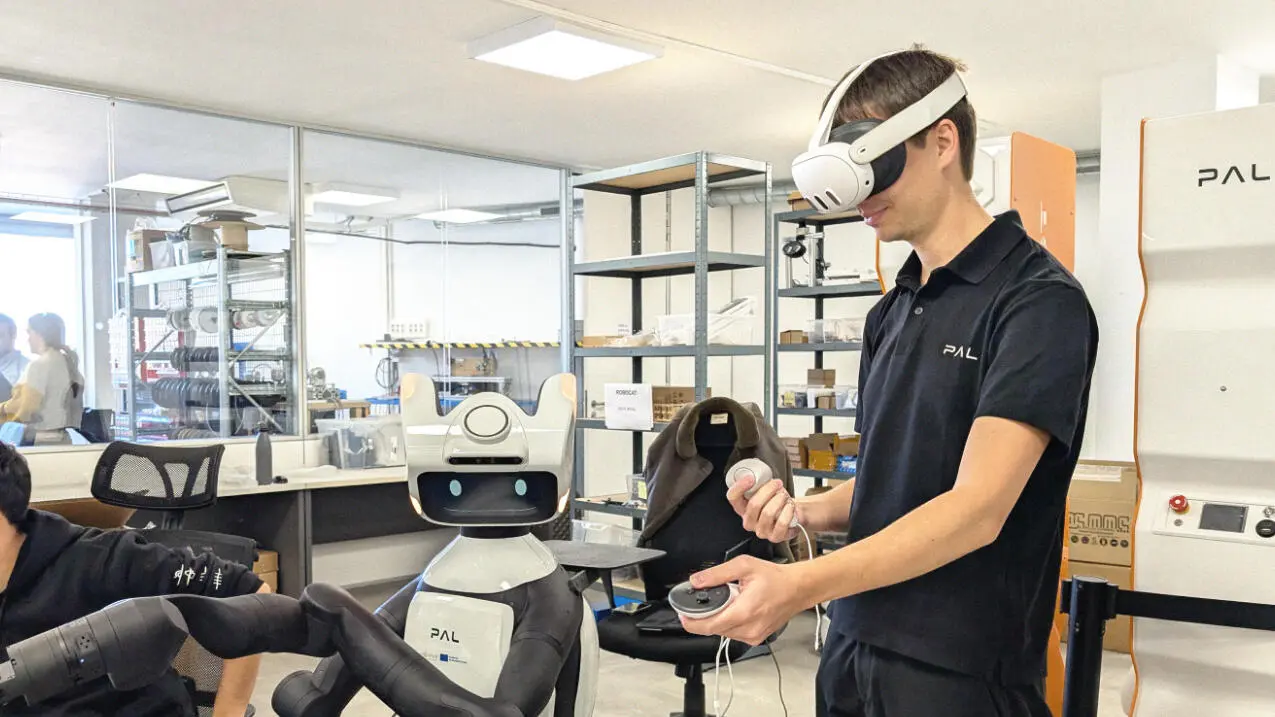
Broad Knowledge Over Deep Specialization in Detecting Defects
Challenges also arise from the complexity of the platform, which integrates sensors, actuators, electronic circuits, and software. Peyrucain notes that during the integration process, he frequently discovers hardware and software defects himself. “I think I’m quite good at finding problems. I enjoy testing code, so I sometimes try configurations the developers hadn’t anticipated and find bugs that way.”
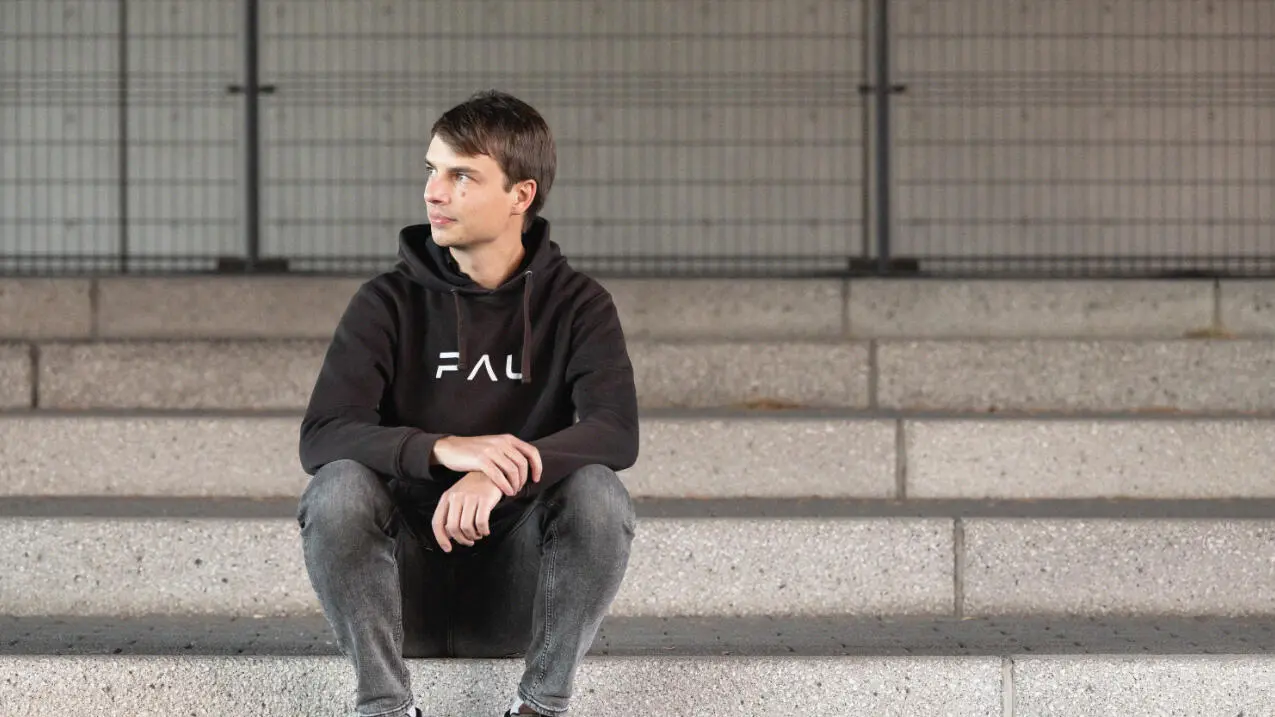
To be successful, he believes it is essential to “have a broad understanding of various fields, even if you don’t necessarily have deeply specialized expertise in each one. What I truly love about this job—even though it can be very difficult—is communicating with people from all these different areas and drawing upon their knowledge to make the robot function successfully.”
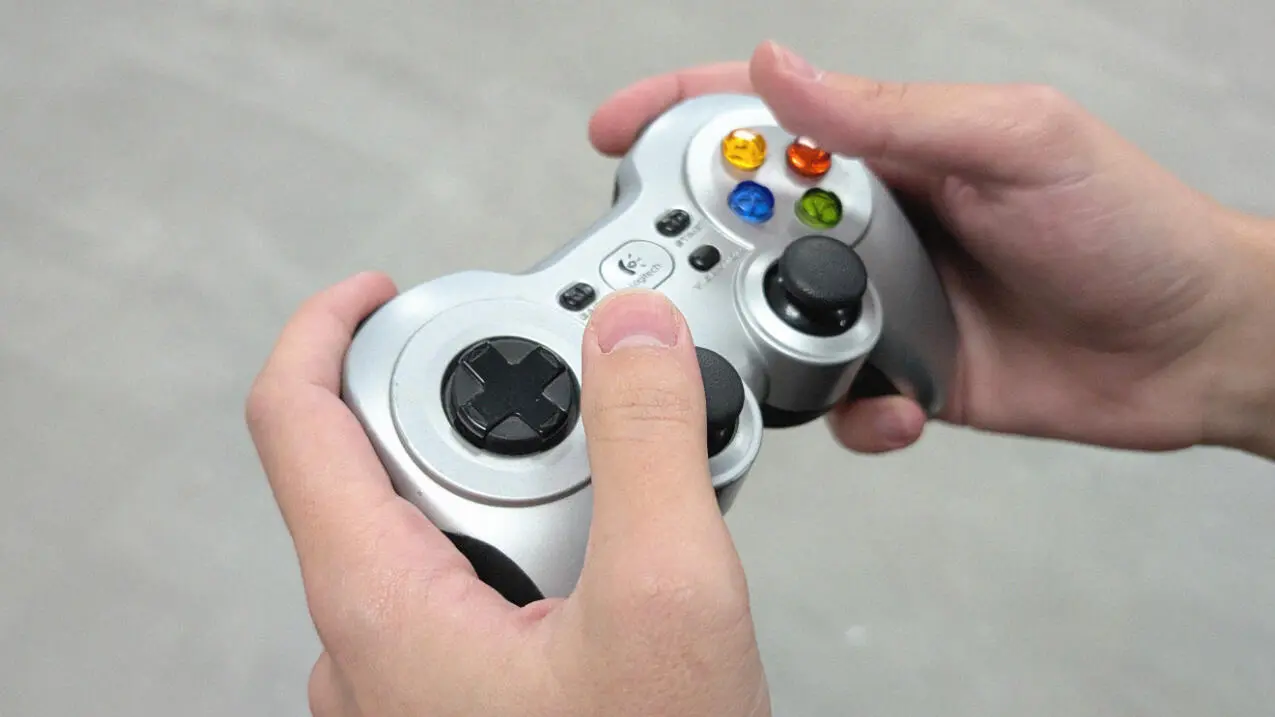
Regarding future initiatives, he says, “I’m placing more emphasis on teleoperation.” This is because having a specialized operator control the robot remotely aids in imitation learning, where the robot’s AI learns how to perform tasks to eventually work autonomously. Of his vision for the future, he adds, “Through teleoperation, I want to make it easier for customers to train their robots for new tasks.”
“Learning How to Learn” as a Personal Foundation
“It is more important than anything else to study hard and possess a great deal of knowledge.” This is the message Peyrucain offers to current engineers and those aspiring to join the field. He further emphasizes, “Having passion for your work is also a strength. When you are constantly tackling challenging tasks, it is difficult to achieve your goals if you do not have passion.”
At the same time, he reflects that the most important thing he gained from university was not specific technical expertise, but rather “learning how to learn” about new technologies and subjects. “Thanks to that, I became able to learn new things easily and respond flexibly. I believe the main focus for an engineer should be to have adaptability and to remain open to new technologies.”
SHARE


Latest Articles
-

KYOCERA TEACHES
Semiconductor back-end manufacturing overview
-

TRENDING TECH
Why fusion reactors need advanced ceramics
-

KYOCERA TEACHES
Front-end semiconductor manufacturing explained
-

KYOCERA TEACHES
Introduction to Fine Ceramics
-

KYOCERA TV
Kyocera Teaches: How MEMS shape our world
-
KYOCERA TV
Kyocera Teaches: MEMS Actuation Methods