


IDEA INCUBATOR
Pioneering an open ecosystem of composable, power-efficient AI hardware

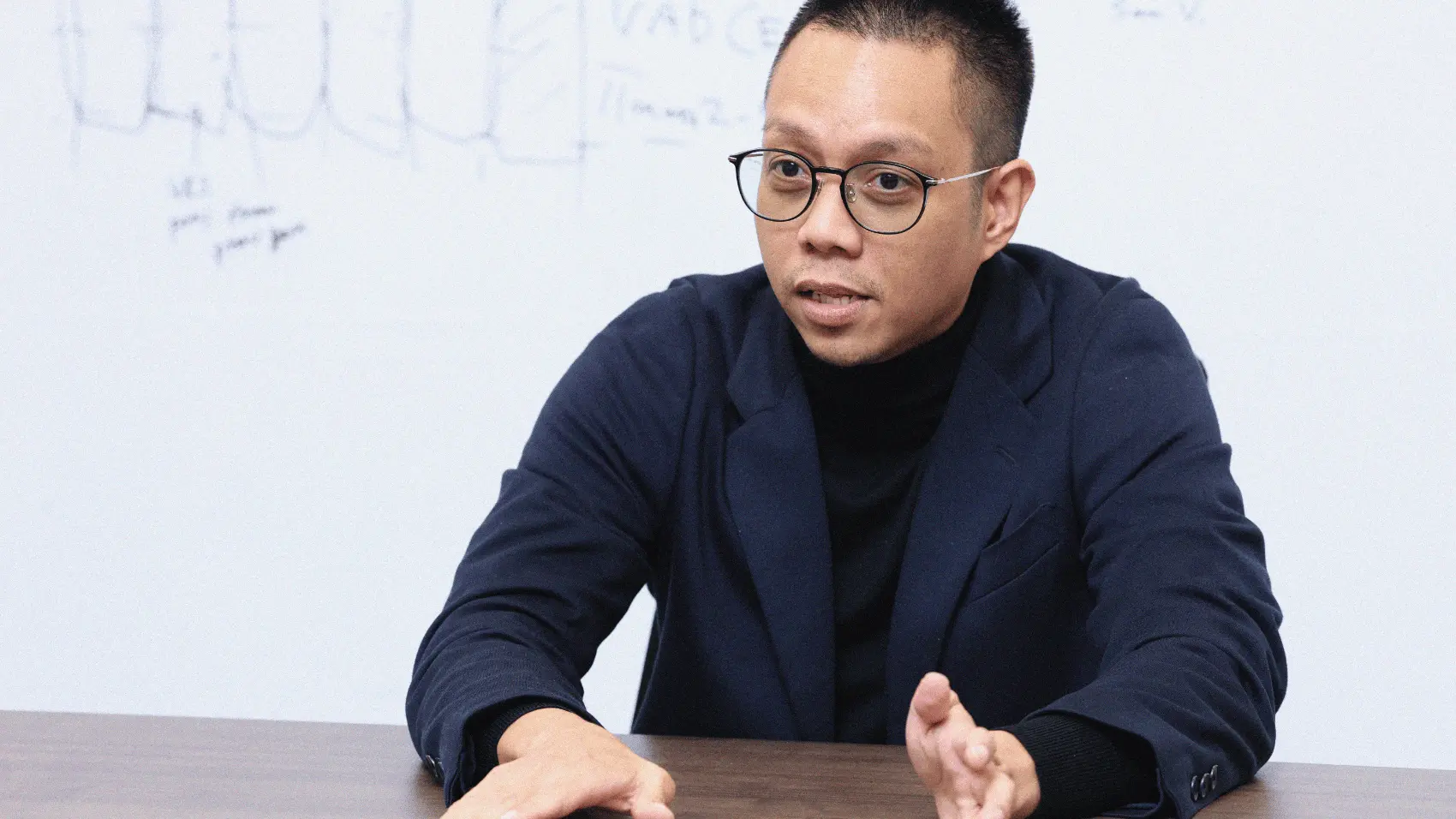
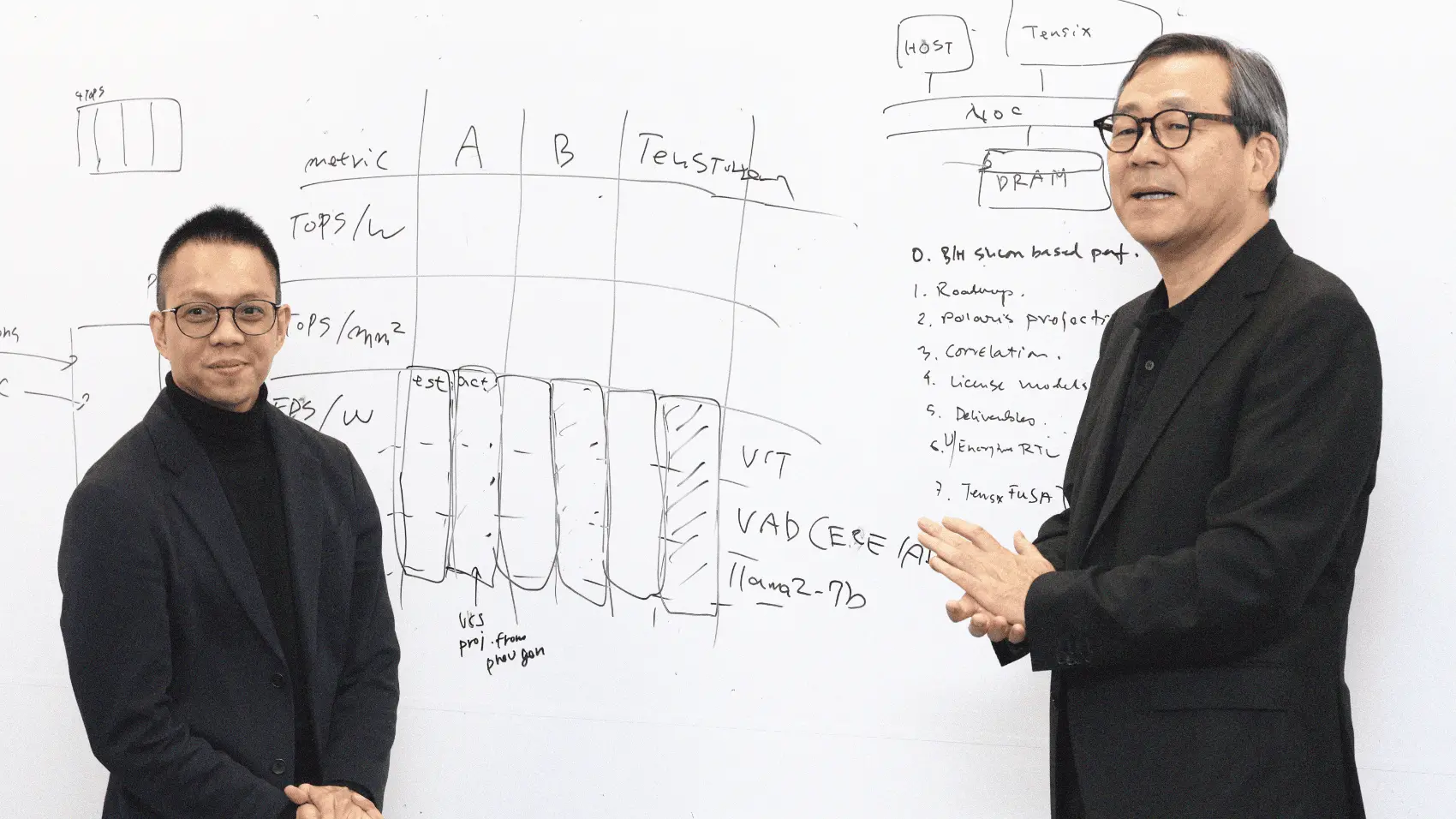
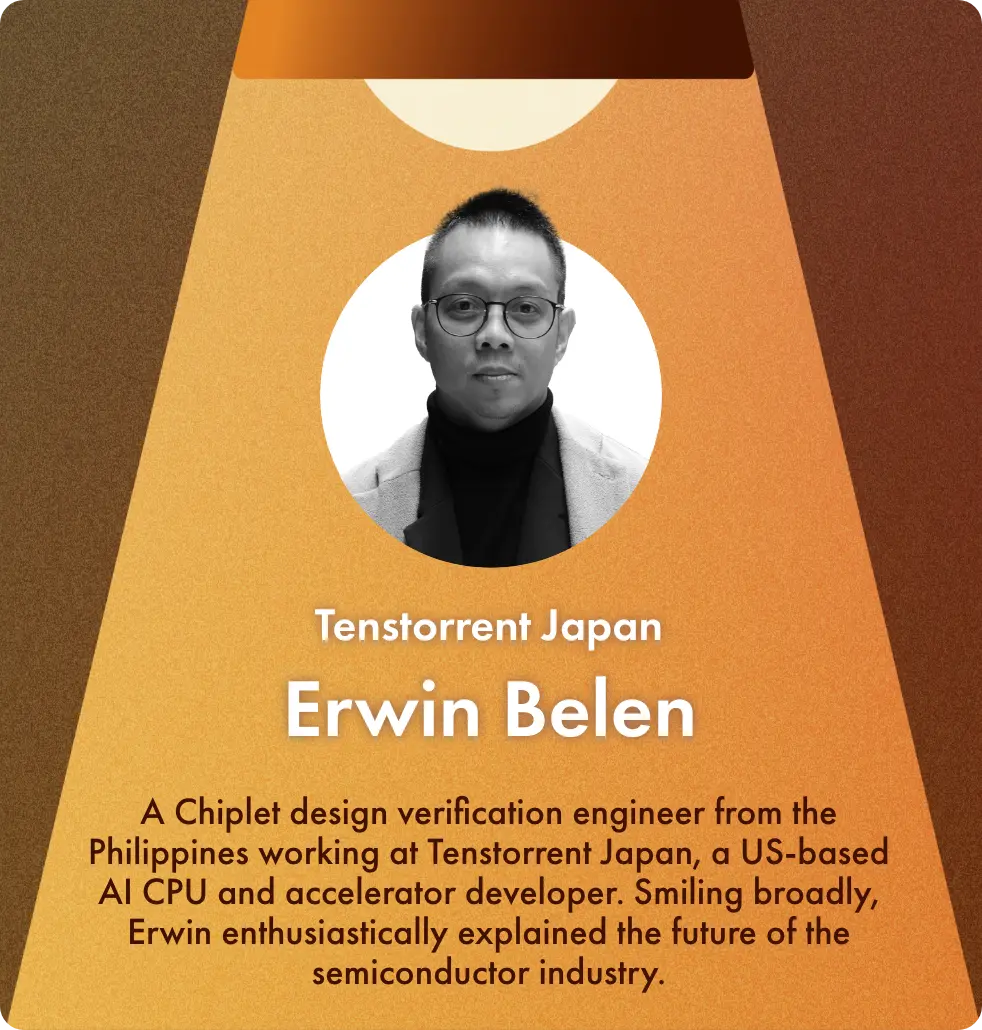
"Our vision is to become the foundational, open-standard platform for AI hardware that offers developers choice and flexibility.” Erwin Belen, Chiplet Design Verification Engineer at Tenstorrent Japan, introduces how his company is developing the future of the AI semiconductor chips, comparing them to the open-source OS that changed the computer industry and significantly contributed to its advancement.
Custom AI chips for evolving workloads
So, what exactly are AI semiconductors, anyway? Erwin explains: “Currently, the most popular semiconductors for AI are graphics chips called GPUs. These use parallel processing to accelerate training, inference, and other essential tasks needed for AI computing.”
In contrast, the CPU chips for AI developed by Erwin and his team proactively incorporate open standards while also achieving even greater power efficiency. This is done by employing a heterogeneous computing architecture, which is used to dynamically assign tasks to the most efficient processor for the job. This intelligent workload distribution ensures maximum performance and minimal power consumption, adapting in real-time to any workload demand.
Offering the freedom to customize
“Tenstorrent achieves this through two key innovations," explains Erwin. "First, we leverage the RISC-V architecture, an open-source instruction set that provides a flexible and transparent foundation for anyone to build on. Second is our chiplet-based approach. Instead of designing a single, large monolithic chip, we create systems by combining smaller, specialized chips—or 'chiplets.' This approach allows us and our customers to create custom solutions tailored for their specific AI workloads, offering unprecedented flexibility and performance.”
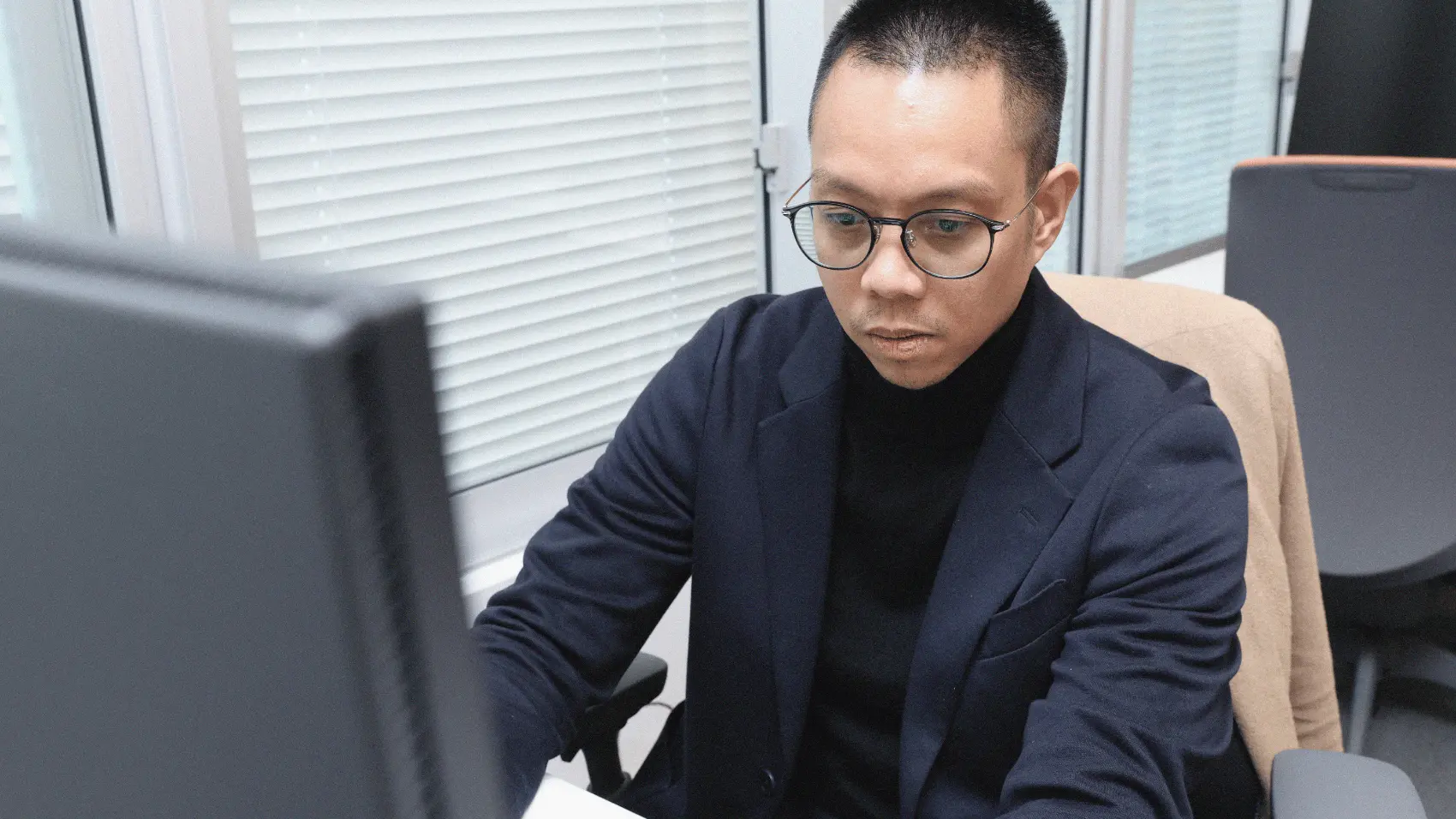
The development methods for chiplets are provided as open-source data or as open standards, just like with RISC-V. Erwin continues: “If semiconductors for AI have more open specifications, it will be easier to design and develop software for these chips. This enables companies and organizations to freely customize their products to meet specific market needs. In other words, this approach has a benefit of allowing people to do what they want in the way they want to do it, and to deliver more specialized and unique experiences to customers in the market. This is one of the most important contributions we aim to provide to markets and organizations.”

Identifying bugs quickly and reliably
Looking ahead, Erwin emphasizes how the team’s next challenge is developing systems for detecting bugs quickly: “Design verification engineers operate on the assumption that bugs exist in any design. It is vital to consider an approach for identifying these bugs at an early stage. We have developed systems to reliably find bugs in the design as part of the design verification process. However, we continue to develop various methods for design verification processes to further improve reliability and efficiency.”
SHARE


Latest Articles
-

KYOCERA TEACHES
Semiconductor back-end manufacturing overview
-

TRENDING TECH
Why fusion reactors need advanced ceramics
-

KYOCERA TEACHES
Front-end semiconductor manufacturing explained
-

KYOCERA TEACHES
Introduction to Fine Ceramics
-

KYOCERA TV
Kyocera Teaches: How MEMS shape our world
-

KYOCERA TV
Kyocera Teaches: MEMS Actuation Methods