


IDEA INCUBATOR
Trust, speed, and decisive action: A behind-the-scenes look at AI-driven EV design


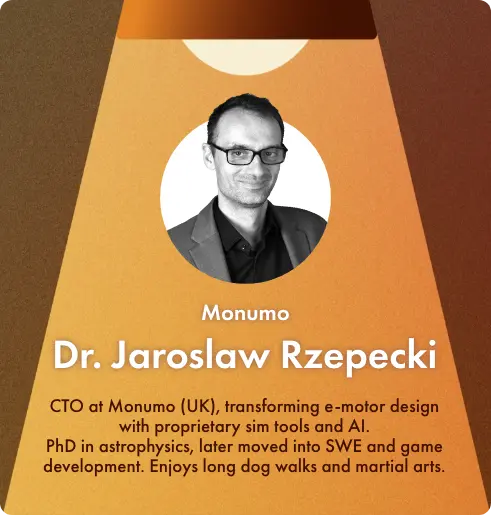
Dr. Jaroslaw Rzepecki, the CTO of a startup that provides simulation-analysis software for electric motors under a licensing model, envisions a future where AI plays a driving role in designing electric motors and EV powertrains, delivering “optimization across all engineering design.” In this second article, he discusses how he has earned trust through data and real-world examples, as well as how he has overcome the trials encountered along the way. He also shares what takes place behind the scenes of what he calls “brilliant challenges,” as well as his thoughts on how engineers should approach the coming age of AI.
Challenging the complexity of system design
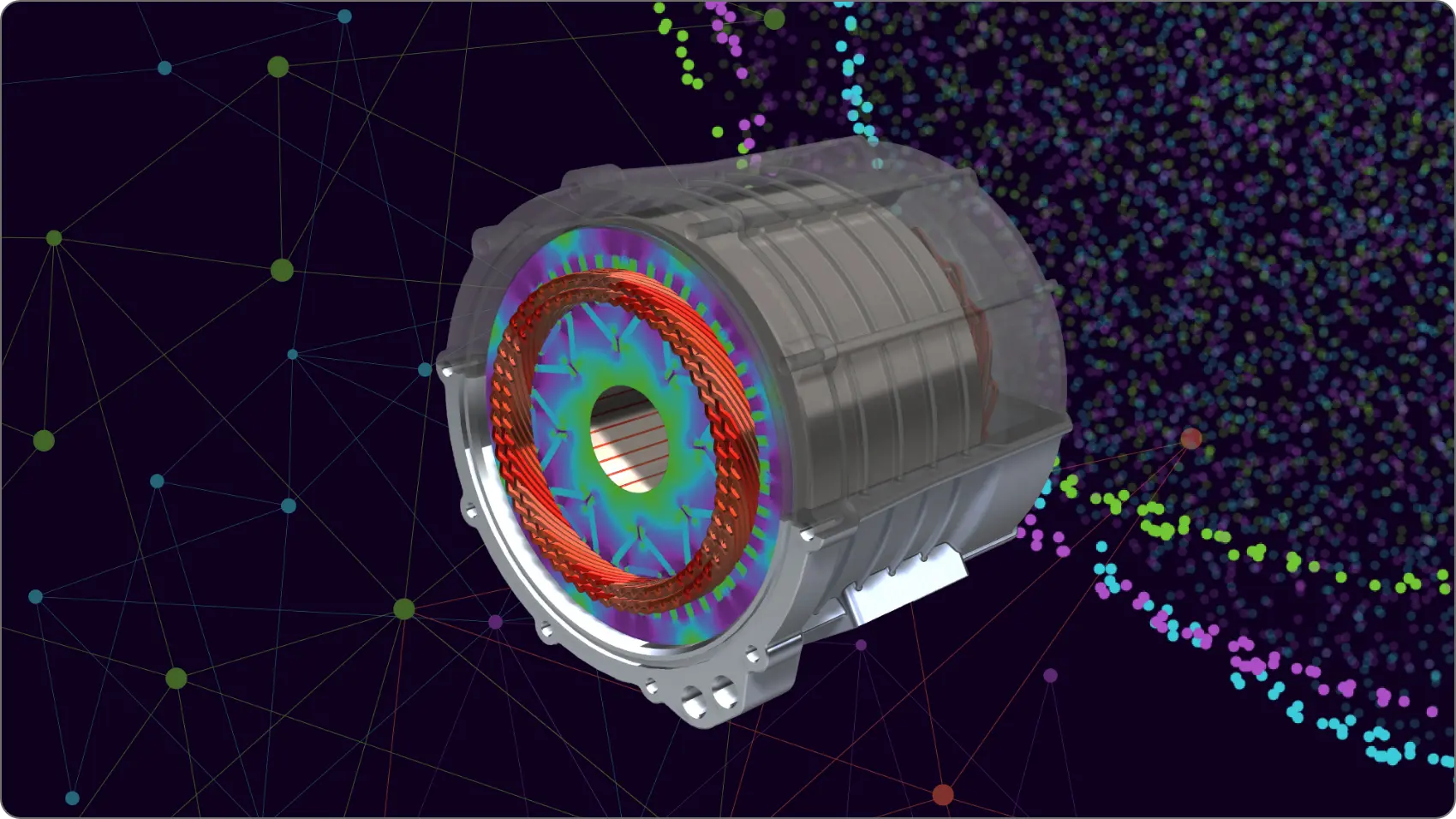
Systems are typically composed of multiple elements that work together to achieve a specific purpose. But, according to Rzepecki, when trying to achieve more optimal system-level designs for electric motors and EV powertrains (unlike single stand-alone components), “as you increase the number of parameters (variables) included in the computation, complexity increases exponentially,” creating a serious problem.
To solve this, Rzepecki set out to develop new algorithms and AI friendly approaches. He also chose not to adopt legacy tools that had long been used in the industry, as they can be incompatible with machine learning and AI. Instead, he rebuilt everything from scratch.

However, designing from scratch has its challenges – for example, at the beginning the team tried to design a general-purpose storage solution for our complex data, but the decision back-fired.“We realized the system was too complex, and development was taking far too long.”
The importance of trust and speed
The reason they initially assumed a general-purpose system was simple. “We didn’t yet know how we would work with customers or what capabilities we would ultimately need to provide,” remarks Rzepecki. From this experience, their team learned an important lesson: “If you try to design software that will remain useful for many years into the future, you will often miss the mark. It’s better to develop something as small and simple as possible, and that is clearly aligned with its purpose, and then upgrade it as you go.”

There were other challenges as well. Most of his customers were major companies in the automotive industry, while Monumo was still just a small startup with little name recognition. Even when the company emphasized how much their new technology could help with the development of electric motors and EV powertrains, the response was dismissive. They simply weren’t taken seriously. From this experience, they learned the need to overcome the challenge of building credibility. "Developing the technology itself is only one part of the battle. You need to invest a lot of time in building the right data and solid examples, and make steady efforts to build trust with your customers.”
How to survive the AI era
For engineers and young people unnerved by the rapid pace of AI technology worldwide, Rzepecki offers the following words of wisdom:
“We’re living in a time when the speed of engineering advancement has never been faster, and AI is one of the forces accelerating that momentum. All engineers, not just newcomers, should embrace AI and other new technologies without fear and learn how to use them effectively.”

“There’s another important point: take a holistic view of science and engineering. In my experience, the best ideas come from combining knowledge across different fields of science and engineering. So, especially while you’re young, immerse yourself in as many different areas of technology and knowledge as you can. And, as you master new technologies like software development, programming, and AI, enjoy this exciting era.”

SHARE


Latest Articles
-

KYOCERA TEACHES
Semiconductor back-end manufacturing overview
-

TRENDING TECH
Why fusion reactors need advanced ceramics
-

KYOCERA TEACHES
Front-end semiconductor manufacturing explained
-

KYOCERA TEACHES
Introduction to Fine Ceramics
-

KYOCERA TV
Kyocera Teaches: How MEMS shape our world
-
KYOCERA TV
Kyocera Teaches: MEMS Actuation Methods