



THE ACE-ENGINEERS
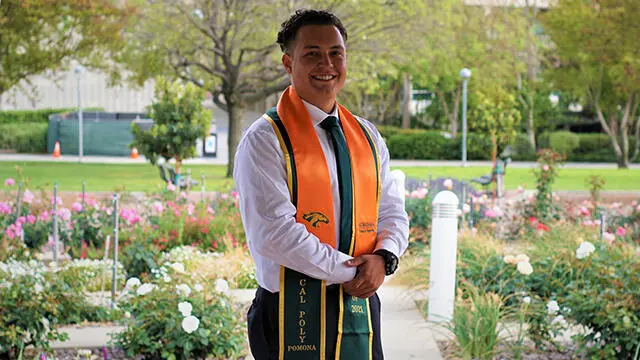
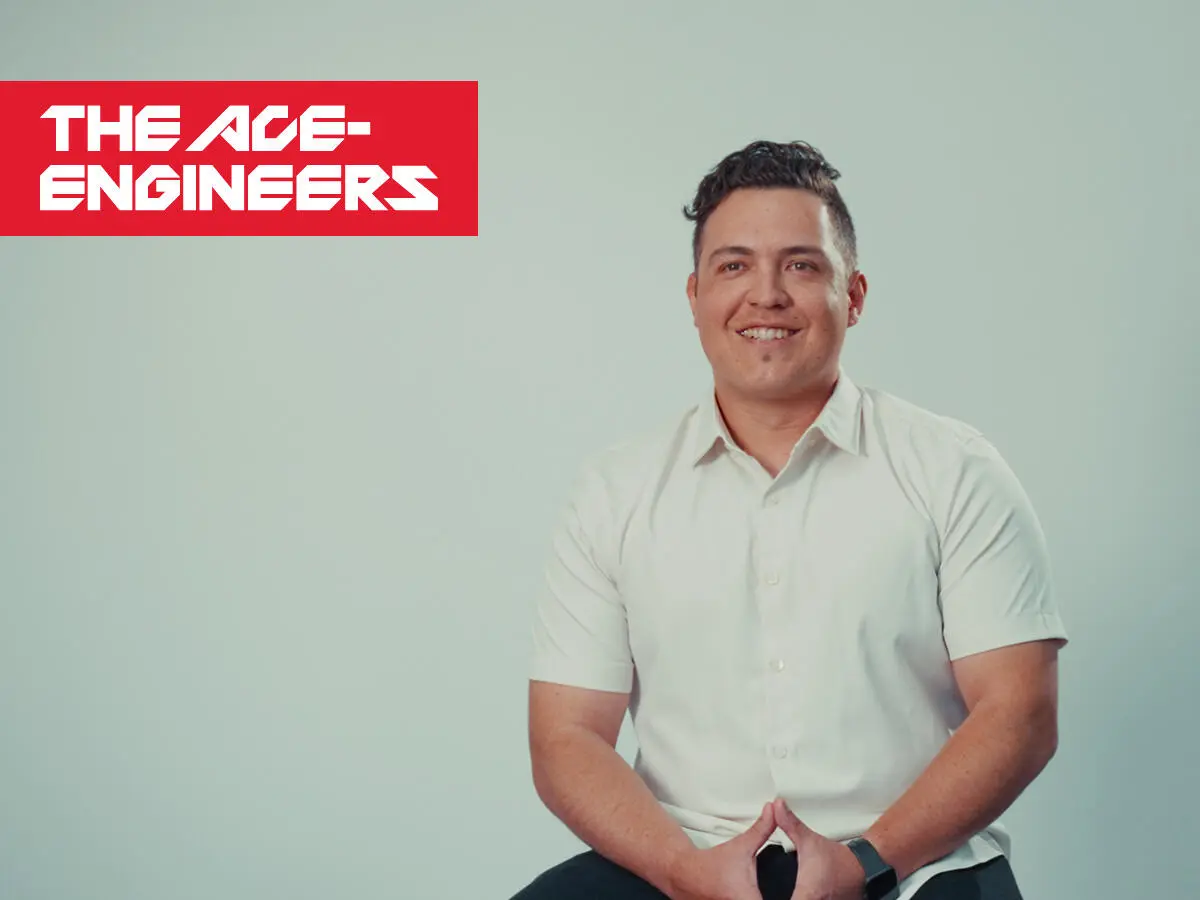
Victor, Supply Chain Engineer | Engineering with a human focus
BIOGRAPHY

Victor
Position: Supply Chain Engineer
Years at the Company: 3
Department:
Corporate Development, Kyocera International, Inc.
For Victor, ensuring continuous improvement while balancing timeliness and stability is a key part of his role in the engineering field.
From studying industrial engineering, where he learned the foundations of process improvement, to his early work in the aerospace industry, Victor developed the ability to bring together multiple components from around the world into a cohesive whole. This skill is central to his role as a Supply Chain Engineer at Kyocera.
Working directly with suppliers across the globe, Victor champions a personal approach to supplier relationships, prioritizing face-to-face engagement to build trust and maintain strong connections throughout entire development timelines.
INTERVIEW
INTRODUCTION
When an engineering company is committed to continuous improvement, it takes a team to make that happen. As a supply chain engineer, I work at the intersection of our internal teams and our suppliers, communicating clearly and proactively to avoid delays.
In the years following the pandemic, as more interactions moved online, it has become easier to feel disconnected and to overlook the importance of the human element in our work. I want to help bring that interpersonal connection back to the forefront, strengthening collaboration, and reinforcing the relationships that make continuous improvement possible.
FORMATIVE YEARS
I was the first person in my family to become an engineer. They were supportive and encouraged me toward a career in the STEM field. My dad was a big mentor at the time and has a great engineering mind. He likes to do things himself, emulate ideas, and design things in his own way. He never had the opportunity to pursue an advanced degree, but he always had the mindset of seeing something and saying, “I think I can do this better.” That influenced me a lot.
When I told my family that I wanted to study industrial engineering, they were a little confused at first. Everybody usually thinks of mechanical, aerospace, or civil engineering, and they had never heard of industrial engineering. To be honest, I was a little unsure of the field too. But when I learned about the true nature of industrial engineering—taking processes and improving them—I realized that’s naturally how I think.
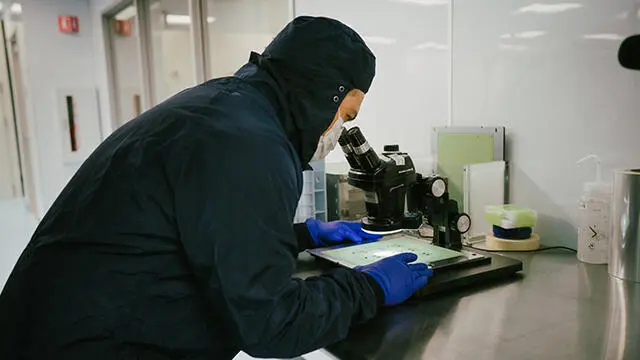
Q: If you hadn’t chosen engineering, what path would you have taken?
A: “Besides engineering and the sciences, I was drawn to athletics and teaching. I think that I have the skills to mentor people well. ”
THE LIFE OF AN ENGINEER
Previously, I worked as a contractor in the aerospace engineering field, where we handled retrofits for a number of aircraft components. Being exposed at altitude, aircraft paint can eventually wear thin due to sun exposure, so special UV-resistant paint needs to be applied. I worked on budgeting, helping to calculate costs when workers needed to be sent around the world.
In my current role, I help develop many of the suppliers we use at Kyocera. We have to make sure that the quality of materials is standardized and that suppliers can build to our specifications. Right now, a key challenge is putting time into maintaining connections. Face-to-face interaction is essential to this role, allowing us to visit suppliers directly and put names to faces.
We are also facing challenges as prices for components and materials increase, along with a need for shorter delivery timelines. I try to manage this by building the best relationships I can with suppliers—being realistic and managing expectations while also conveying the urgency of a particular project.
Q: What misconceptions do people have about the engineering field?
A: "People assume that it is split into defined roles such as mechanical, aerospace, and civil. In reality, there is a wide variety of engineers. If something needs to be built or improved, there’s a field of engineering for that. We don’t just work with engines!"
FUTURE VISION
There’s a lot of ongoing change in my work, so I’m focusing on keeping a level head and ensuring that deadlines are met. A huge advance in the field right now is the number of software tools being implemented. With new dashboard technology, not only can we see a supplier’s location, we can also see current spending and quality trends.
"Industrial engineering is a field for someone who sees something and says,
'I can make that better.'"
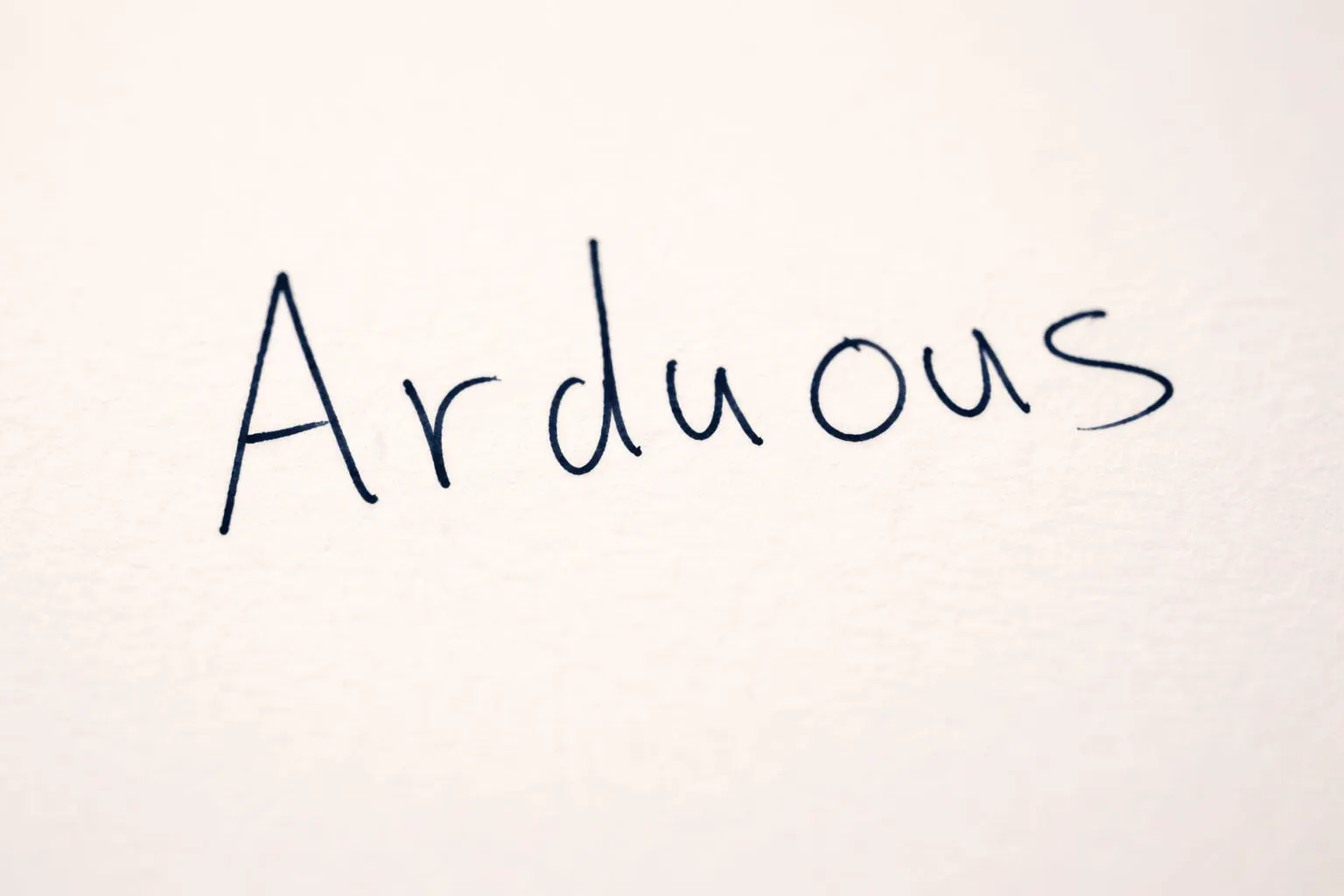
I think that if there is anything truly worth doing in life, it’s going to take a lot of energy and work to get there. While something that is “arduous” might be seen as a negative thing, the reward at the end will definitely be worth it.
SHARE


Latest Articles
-

KYOCERA TEACHES
Semiconductor back-end manufacturing overview
-

TRENDING TECH
Why fusion reactors need advanced ceramics
-

KYOCERA TEACHES
Front-end semiconductor manufacturing explained
-

KYOCERA TEACHES
Introduction to Fine Ceramics
-

KYOCERA TV
Kyocera Teaches: How MEMS shape our world
-
KYOCERA TV
Kyocera Teaches: MEMS Actuation Methods