



BIOGRAPHY
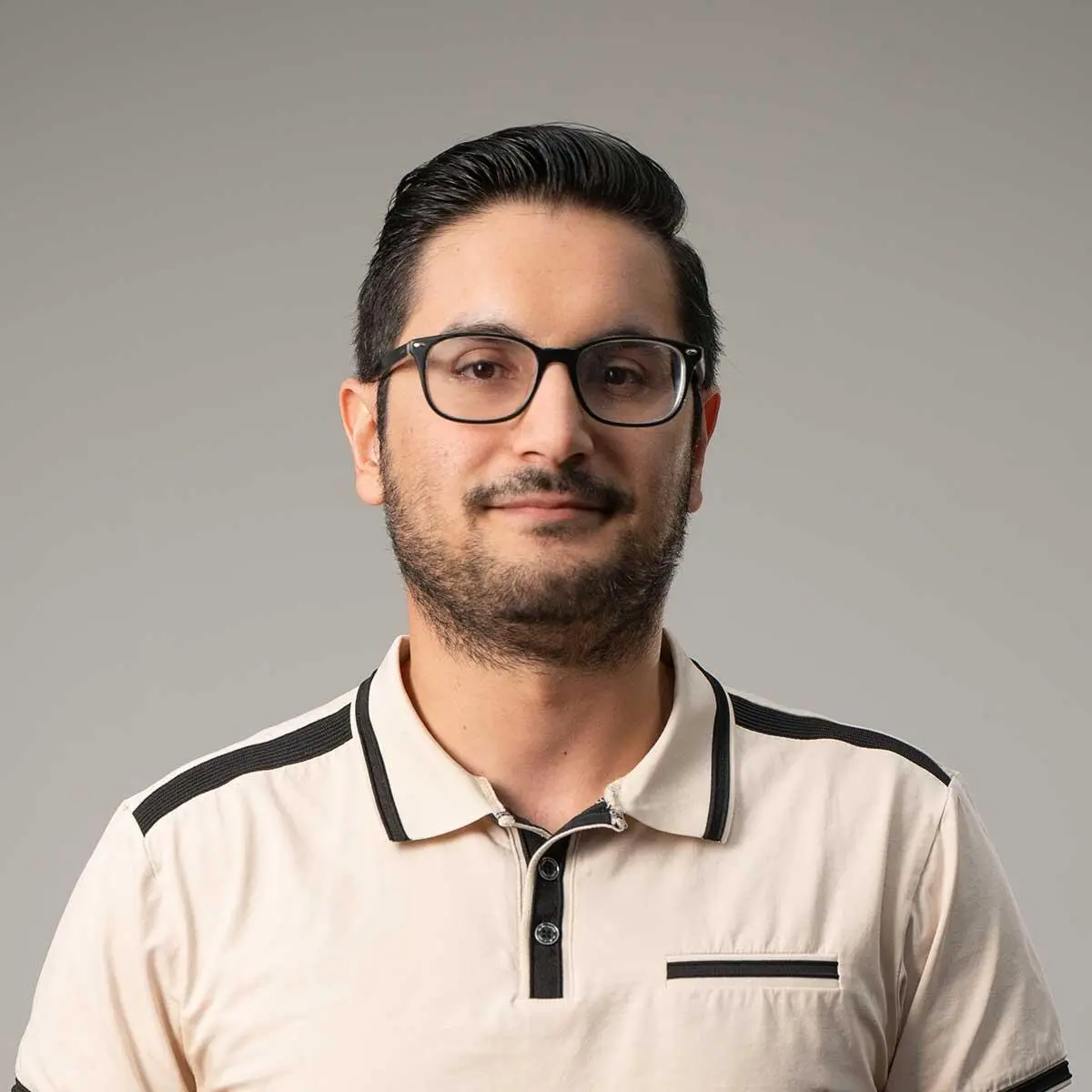
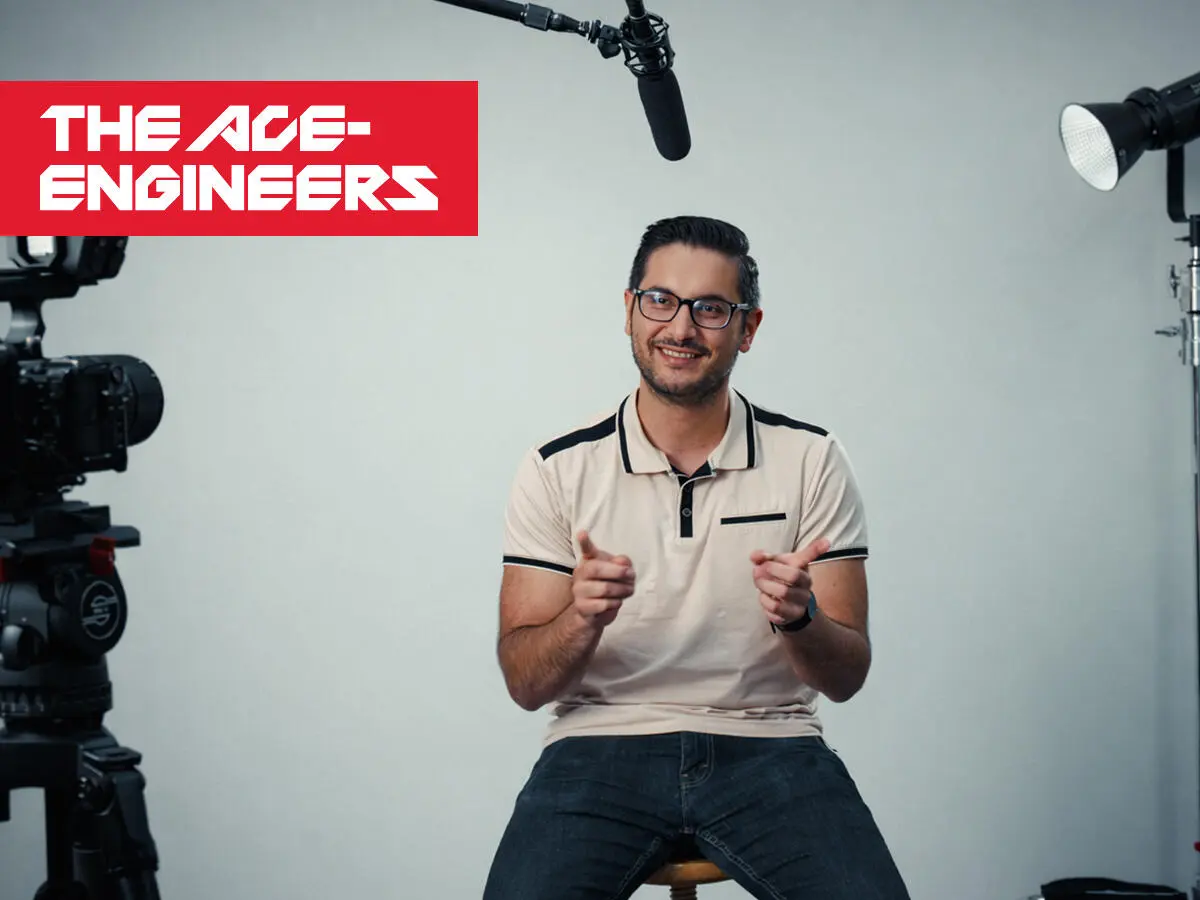
Geli
Position: Process Engineer
Years at the Company: 1 ½
Department:
Semiconductor Components Group, Kyocera International, Inc.
As the son of first-generation U.S. immigrants who fled war, Geli grew up with a strong drive to build from the ground up and make his family proud.
Inspired by family members in the sciences, he developed a keen interest in robotics, drawn to the sense of challenge and accomplishment that comes with tackling complex, demanding tasks.
Today, as a process engineer within Kyocera’s Semiconductor Components Group, Geli plays a pivotal role in ensuring machines run efficiently with minimal downtime. Success in this role doesn’t always come from knowing the right answer immediately, but from having the intuition to seek out resources and collaborating effectively to solve problems in real time.
Geli embraces challenges as opportunities for growth, approaching engineering puzzles with curiosity and determination. He carries this positive, solution-oriented mindset into every aspect of his life, both at work and beyond.
INTERVIEW
INTRODUCTION
My path to becoming an engineer began with my passion for robotics. My parents came to the United States in the 1990s, leaving their village and taking whatever jobs they could to build a better life.
When I was young, I wasn’t sure what I wanted to do. All I knew was that I wanted to help people in some way. I thought about becoming a programmer or even a doctor.
I began my journey as an engineer in the manufacturing of printed circuit boards, and have since moved into working with semiconductors. My role now involves using resources to solve problems with machinery. Machines need maintenance just like humans do, and, like people, the better you take care of a machine, the less likely it is to break down.
FORMATIVE YEARS
In high school, I joined a robotics club that competed against other schools in the area. Being a competitive person, I fell in love with how the whole system worked—from design and creation to getting your hands dirty machining.
My older cousin became a mechanic, a really skilled one, and has worked on every line of car, knowing each of their ins and outs. I would question him endlessly about cars when I was young, and this sparked my interest in the field.
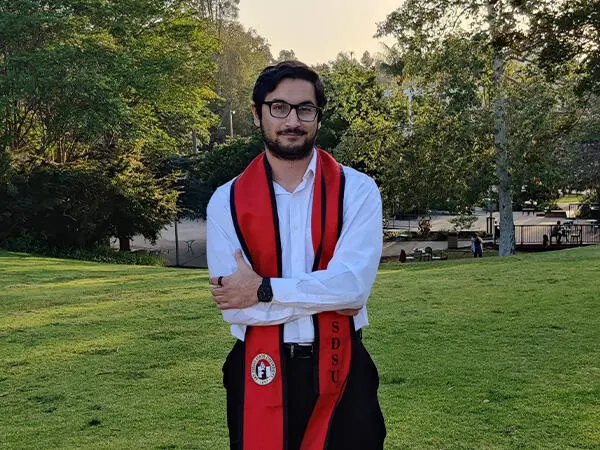
Building on that, I went on to study for a Bachelor of Science degree in mechanical engineering. At the time, my brother was pursuing his master’s in computer science, so I took a minor in that as well, which gave us something to relate over. I also thought that the programming elements of robotics would help me in the long run for my career. I am the first engineer in my family, and they felt a lot of pride seeing my efforts pay off.
Q: How has your impression of engineering changed through experience?
A: “When I was in college, I thought engineers were people who could fix anything instantly. What I’ve learned now is that real talent comes from a willingness to work hard to figure out the solution. You may not know the exact answer, but the important thing is not to give up; rather, look through manuals, resources, and run tests.”
THE LIFE OF AN ENGINEER
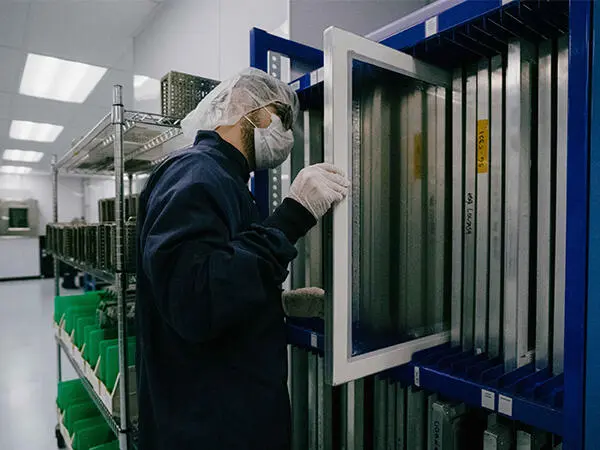
The whole purpose of my role is to be very knowledgeable about specific processes, such as laser marking or cleaning a substrate. I have to recommend different techniques to broaden the scope of work we can accept from different customers, and quickly troubleshoot issues as they arise.
One of the biggest challenges we face is machine failure, as these systems have many components and sensors at play. Sometimes an issue can even be something like a laser marking starting to fade—a marking so small you must look closely to notice it—but there’s always a way to overcome the problem.
Good communication is essential in the engineering field. When talking to customers, it’s important to be realistic to avoid tricky conversations later. If something goes wrong, it’s better not to blame others, but to start solving the problem. The conversation should be: “Here’s what went wrong, and how do we prevent this from happening again?”
Q: What skills do you believe aspiring engineers need the most?
A: “Work ethic is a big part of being an engineer and involves getting into the nitty-gritty of a project. You have to be willing to say yes, and sometimes that means staying later to finish something. Socially, you have to be willing to try and fail. Sometimes you will sound stupid, and sometimes you need to admit that you don’t know the answer. This is where the most growth happens.”
FUTURE VISION
Professionally, I’m planning to continue to grow. In previous positions, I saw that I was developing too much of an ego, and this was something I wanted to keep in check. I want to continue focusing on the bigger picture: ensuring that parts get shipped, profits are made, and we grow as a company.
Outside of work, I’m getting into new hobbies such as 3D printing, which I hope will bring scale models to life —models of trees, buildings, and castles that I use in games. I’m also trying to work on my car more—to compete with my cousin!
"I think that there needs to be more awareness around the different types of engineering. Most people don’t know about all the different categories and subcategories – myself included. If more people did, I think that more would choose engineering as their profession."
Sometimes it can be frustrating when things don’t work out the way you expect, or when people don’t respond the way you hope. At times, you can feel like you’re taking on an unfair burden in a project, but in the end, there is a huge payoff. You solve puzzles and reap the benefits, which brings a rush of euphoria. This outweighs any petty grievance you might experience.
SHARE


Latest Articles
-

KYOCERA TEACHES
Semiconductor back-end manufacturing overview
-

TRENDING TECH
Why fusion reactors need advanced ceramics
-

KYOCERA TEACHES
Front-end semiconductor manufacturing explained
-

KYOCERA TEACHES
Introduction to Fine Ceramics
-

KYOCERA TV
Kyocera Teaches: How MEMS shape our world
-
KYOCERA TV
Kyocera Teaches: MEMS Actuation Methods