


TRENDING TECH
Precision vision: How triple-lens AI depth sensors are changing robotics and industry
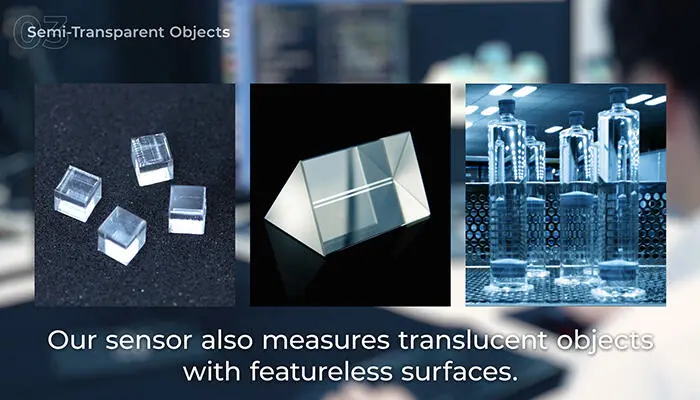
While recent years have witnessed robots learning to first 'see' in a primitive sense, through the synergy of AI and imaging data, the coming era will increasingly focus on why innovations in hardware and software are still needed to close the gap between machine and human vision. In particular, industrial and medical fields rely on the detection of difficult targets—such as thin wires or transparent materials—which have challenged traditional sensors and AI systems.
However, groundbreaking imaging solutions are setting new standards. A new triple-lens sensor technology developed in Japan now delivers exceptional accuracy when identifying micro-scale, semi-transparent, and mirrored objects. Rather than a simple advancement, this technology marks a major innovation, poised to transform machine vision for inspection in manufacturing, enhance surgical robotics reliability, and allow agricultural robots to harvest with remarkable precision.
The problem with seeing the unseen
Stereo imaging uses two viewpoints and parallax methods to effectively estimate distances, but there remains specific challenges:
• Semi-transparent films may disrupt depth perception
• Shiny metallic surfaces generate glare and confusing reflections
• Tiny wires or surgical threads are easily overlooked, especially when aligned parallel with the lenses
• Repetitive patterns (for example, woven textiles or circuit boards) can cause inaccuracies, misaligning similar features between images
The above factors and more can lead to slower performance and potential operational challenges for robots deployed in intricate or sensitive contexts.
Triple-lens depth sensing for unmatched precision
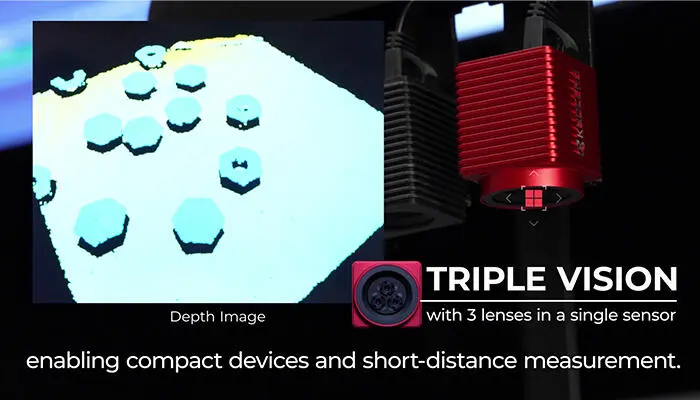
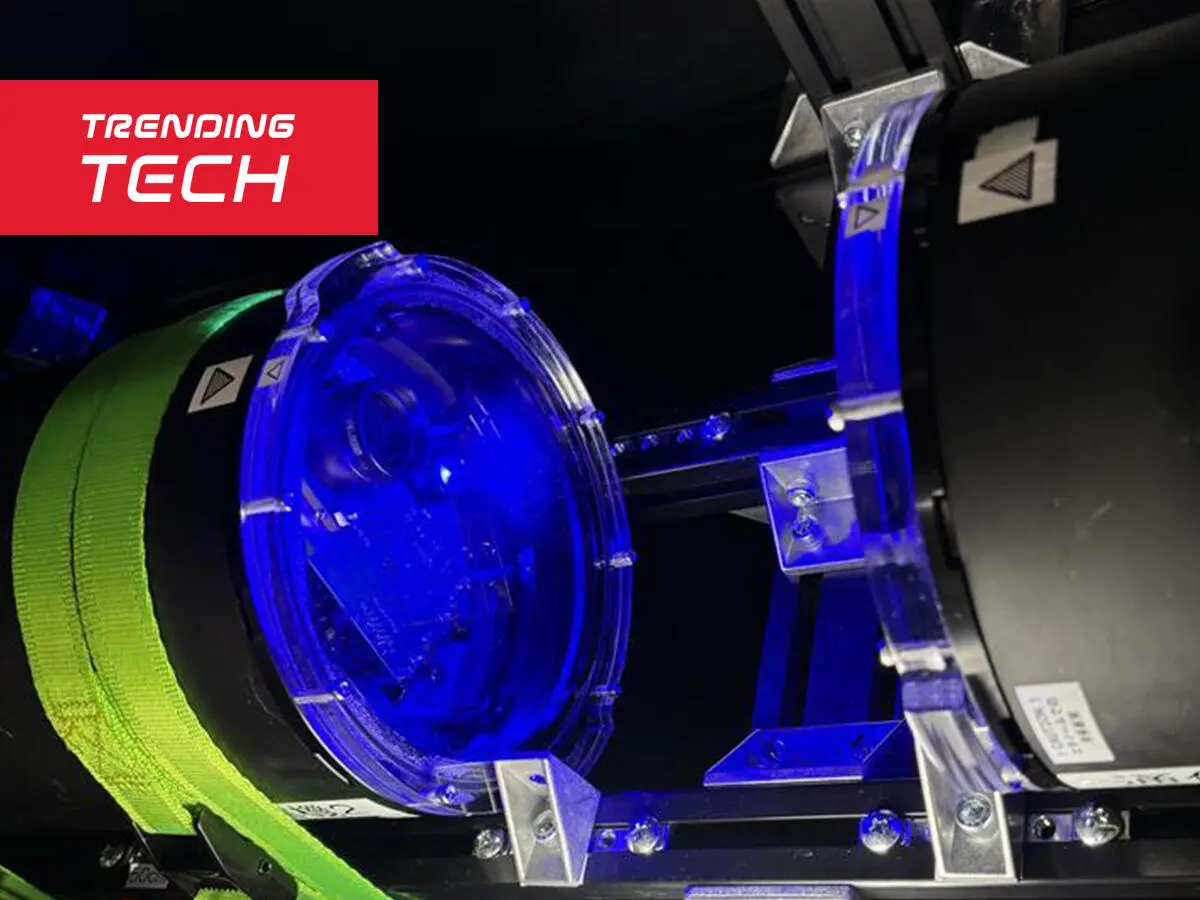
To overcome these limits, a triple-lens depth sensor can utilize three vantage points, collecting detailed parallax data at close range. By merging these perspectives using specialized AI, the sensor eliminates blind spots and mismatches, reliably detecting objects that may be missed by dual-lens solutions. Optimized for close ranges near 10 cm, the sensor achieves outstanding precision, identifying features as tiny as 0.3 mm.
Why this development matters
Industries around the world face workforce shortages and rising demands for efficiency. Advanced machine vision will become an essential tool, automating inspection duties and allowing skilled staff to focus on more critical responsibilities while maintaining high standards of quality and safety.
Triple-lens AI sensors are now poised to shape the future of automation, enabling detection of previously challenging items and supporting high-precision tasks across various industries.
As such, the impact of this triple-lens camera technology spans multiple industries. Here is a break down some of the most promising applications:
1) Manufacturing quality control
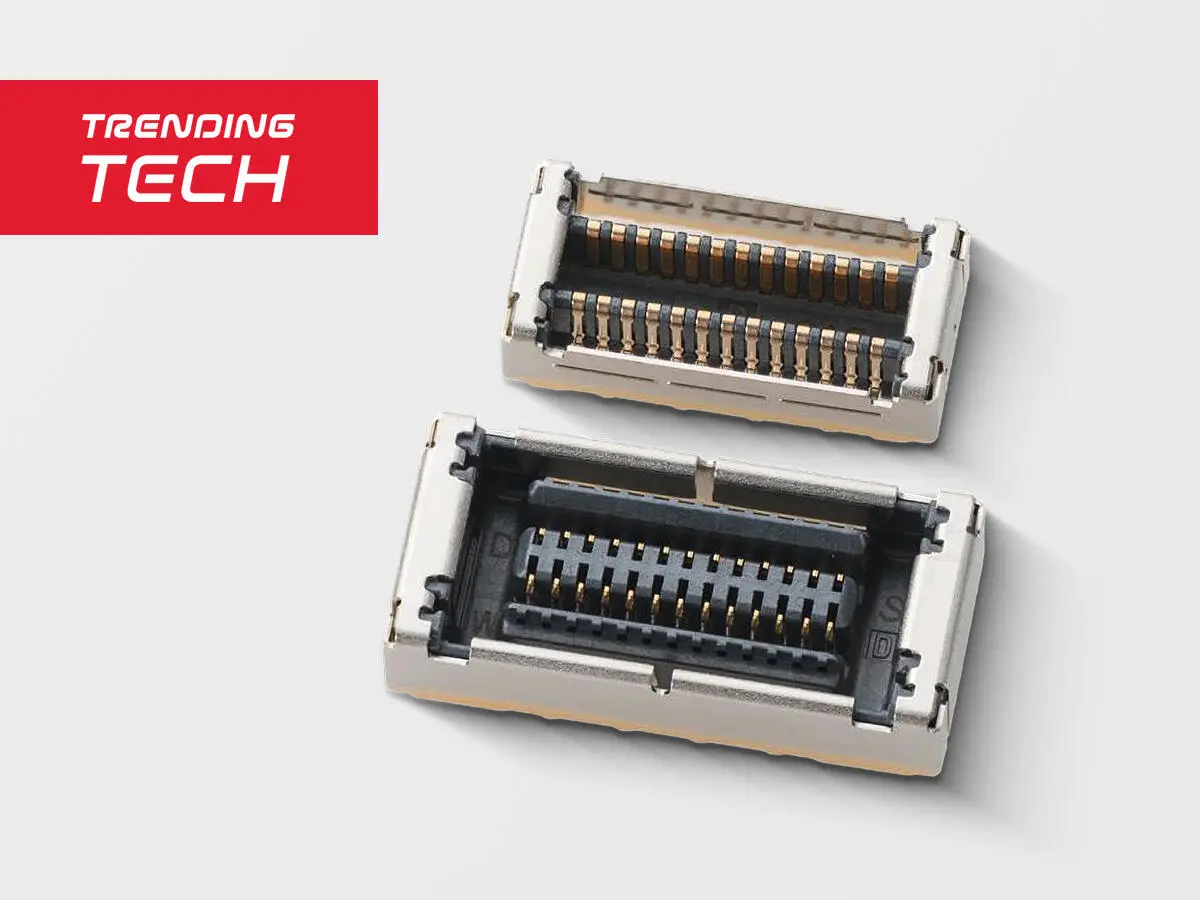
In electronics production and similar environments, repetitive component layouts challenge conventional inspection systems. Triple-lens AI cameras sharply reduce error rates, confirming every detail with microscopic accuracy. In particular, rows of connectors, traces on printed circuit boards, or woven fibers in specialized materials can be processed more accurately by a triple-lens sensor, allowing automated inspection systems to verify every detail with microscopic accuracy.
2) Surgical robotics
In minimally invasive procedures, robotic assistants could help manipulate slender, reflective tools that may be hidden by tissue. Enhanced depth sensing has the potential to provide surgeons and machines with reliable, clear views, helping to reduce the risk of errors and improve patient outcomes.
For such critical medical applications where a single missed measurement could have serious consequences, triple-lens depth sensing offers surgeons and robots alike a clearer, more dependable view of these delicate instruments.
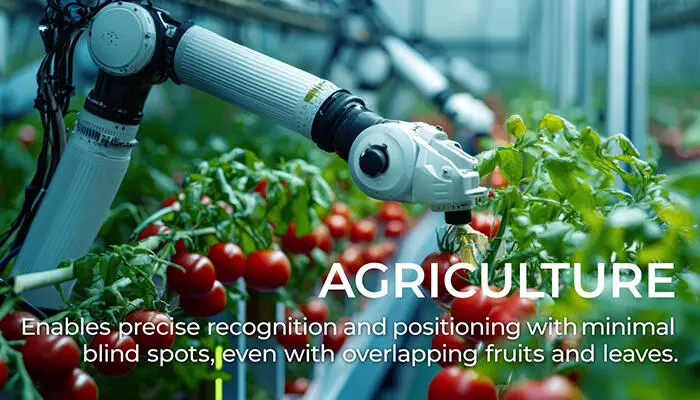
3) Agricultural automation
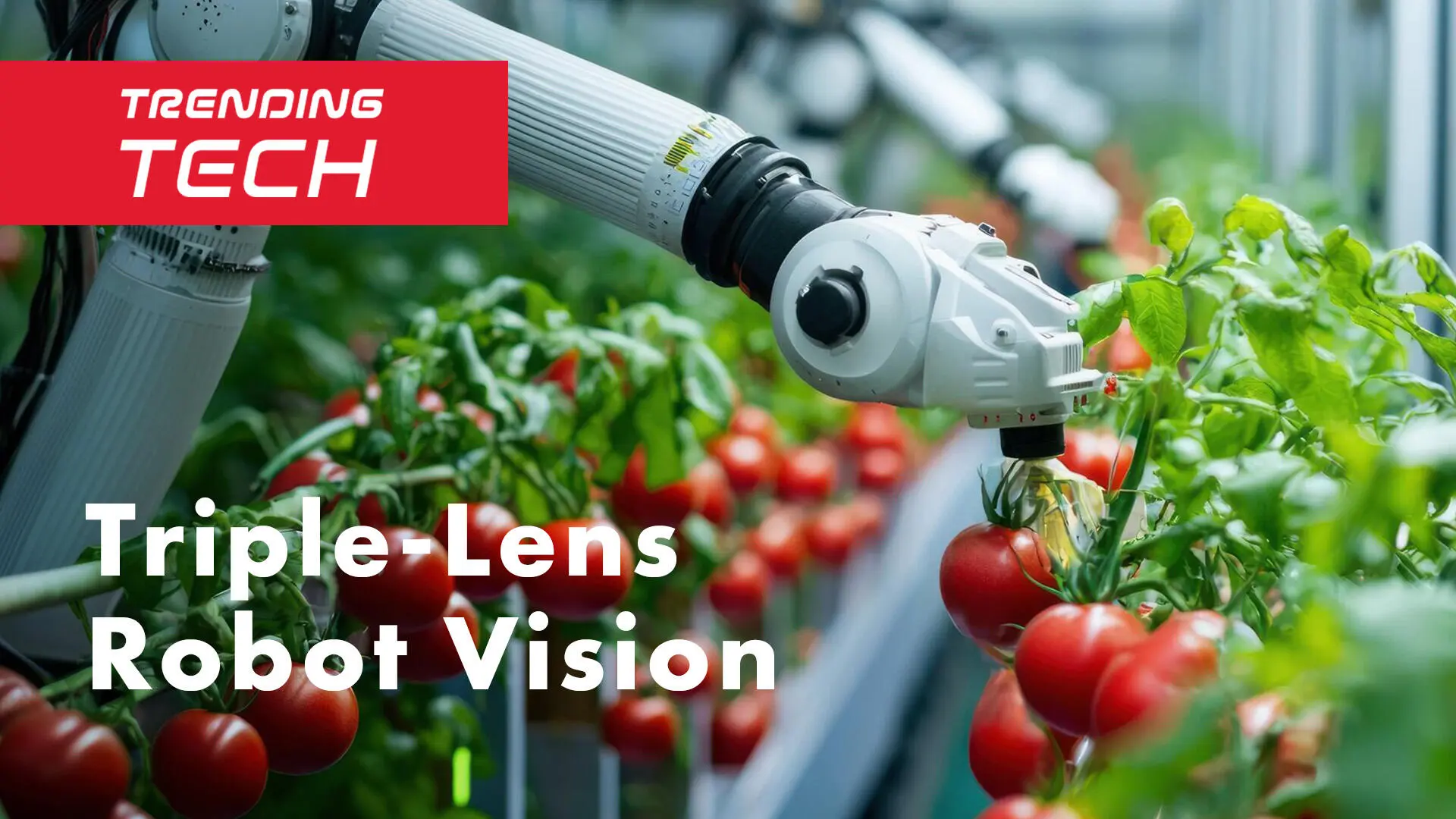
Crop picking is an incredibly complex visual task, requiring distinguishing fruit from dense foliage and overlapping branches, while shadow and sunlight complicate depth perception. Triple-lens sensors can enable robots to better recognize produce, resulting in greater agricultural efficiency.
The innovators behind the triple-lens breakthrough
The leading-edge work and culture of innovation at Kyocera’s Minatomirai Research Center in Yokohama, Japan—building upon its history in stereo camera development—has driven development of this new triple-lens technology that is pushing the frontiers of optical design and AI to solve long-standing challenges in machine vision.
By increasing the number of vantage points and using proprietary AI to merge the data, Kyocera’s sensor technology development team have shown how engineering ingenuity can revolutionize entire sectors, signaling a bright future for robotics and automation.
Learn more about this technology here:
https://global.kyocera.com/newsroom/news/2025/001134.html
SHARE



Latest Articles
-
TRENDING TECH
Transforming industries with triple-lens AI depth sensing
-

KYOCERA TEACHES
Semiconductor back-end manufacturing overview
-

TRENDING TECH
Why fusion reactors need advanced ceramics
-

KYOCERA TEACHES
Front-end semiconductor manufacturing explained
-

KYOCERA TEACHES
Introduction to Fine Ceramics
-

KYOCERA TV
Kyocera Teaches: How MEMS shape our world