Kyocera's "HAPTIVITY®"
Delivering the Authentic Feel of a Real Button, Beyond Conventional Haptics

“HAPTIVITY®” is Kyocera’s proprietary tactile transmission technology that
delivers a more realistic sense of touch than conventional haptics.
Kyocera offers patent licenses for “HAPTIVITY®”, along with its related components.
An Evolving User Experience: In a World Where Tactile Feedback Matters
With the rapid adoption of touch panels and other flat interfaces, the importance of tactile sensation for user operations has become more pronounced.
In fields where precise and confident control is essential, there has been a need for technologies that enhance the user experience while preventing accidental inputs through tactile feedback.
Traditional haptics detect a user’s touch and respond with simple vibrations. While this can mimic touch to some extent, it cannot replicate the mechanical click of a physical button, which provides a clear operational feel. Furthermore, accidental touches can easily result in unintended actions.
Kyocera’s advanced tactile transmission technology overcomes these limitations, offering users a more lifelike and satisfying experience.
Real Button Feel at Your Fingertips
With mechanical buttons: 1. Your finger makes contact with the button. 2. You feel resistance as the button is pressed down. 3. The button’s mechanism provides a distinct “click” sensation.
Conventional haptics, however, trigger a vibration as soon as contact is detected, without simulating the resistance before the click. This greatly diminishes the realism of the experience.
Kyocera's tactile transmission technology works differently: 1. It detects when your finger touches the surface. 2. It allows you to feel the resistance of pressing down. 3. At the exact moment that adequate pressure is applied, it delivers a vibration that closely resembles the click and unmistakable sensation of pressing a real, mechanical button, which offers users an experience that is both vivid and authentic.
Such realistic feedback brings added value to products that demand stylish design and intuitive usability, including smart appliances, PCs, and VR/AR devices.

Recognizing Only Intentional Actions: Boosting Efficiency and Safety
In conventional haptics, any touch that is detected can trigger an action — even accidental contact.
Kyocera’s technology, on the other hand, detects the amount of pressure applied and activates only when it exceeds a set threshold. This means casual or unintended touches are ignored, while deliberate presses are recognized, greatly reducing the risk of accidental operation. Since it doesn’t trigger on light touches, users can locate buttons by feel without being distracted.
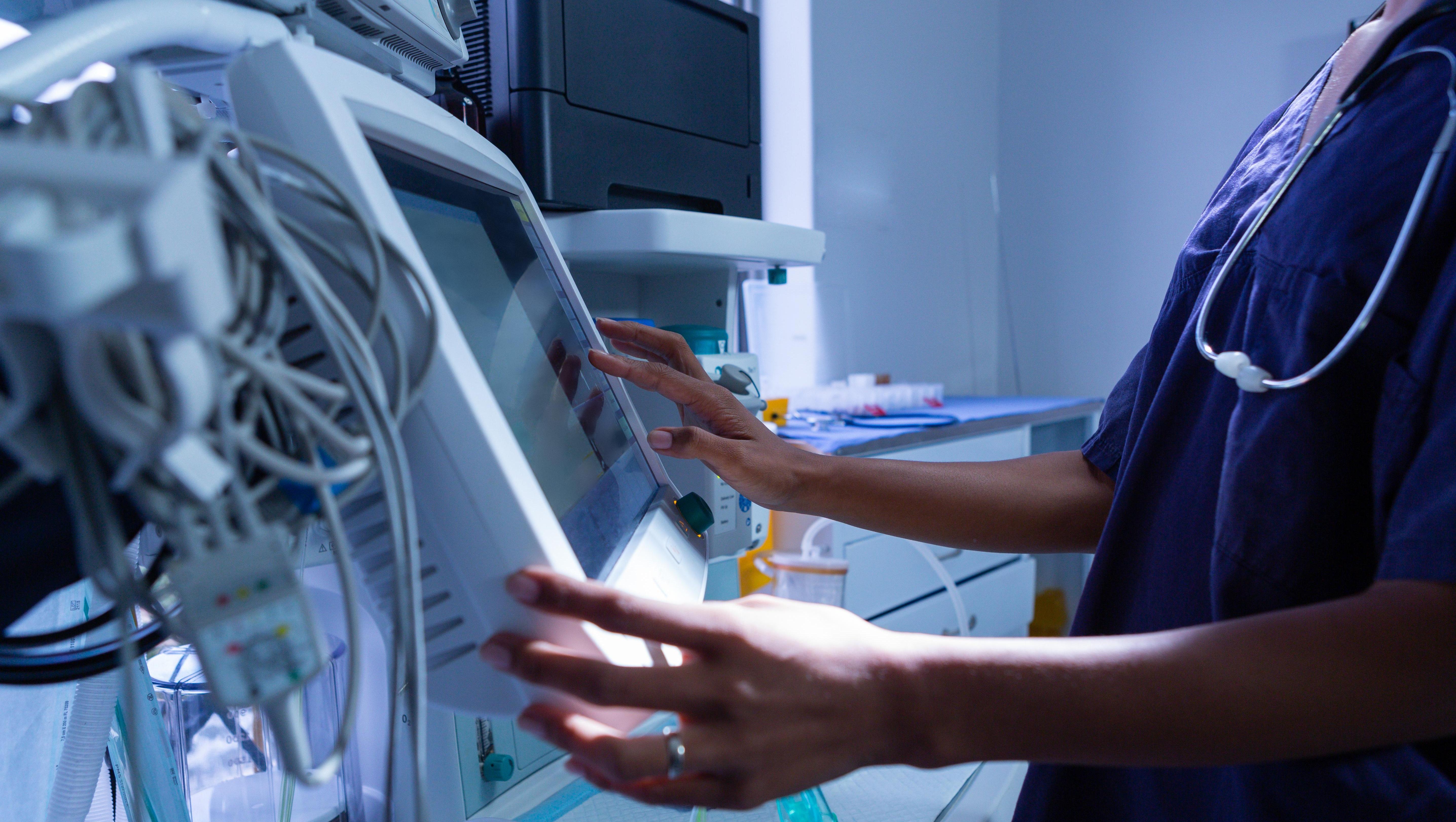
This makes the technology ideal for HMIs (Human-Machine Interfaces) in cars, medical devices, and industrial equipment, where both efficiency and safety are critical.
Kyocera’s tactile transmission technology can be implemented using separate components for pressure detection and vibration feedback.
Alternatively, it can be achieved with a piezoelectric actuator that combines both functions in a single unit, offering greater design flexibility.
Patent Licensing for “HAPTIVITY®”
Kyocera holds multiple patents related to tactile transmission technology and licenses them to various companies. In addition to patent licensing, Kyocera can also supply components such as piezoelectric actuators. For examples, please refer to the press release linked below.
Kyocera Integrates HAPTIVITY® Technology into Sigma BF Mirrorless Camera
For inquiries about obtaining a license or to discuss specific procedures, please contact us via the form at the bottom of this page. Kyocera will continue to advance tactile transmission technology, supporting the evolution of user interfaces across a wide range of industries. We look forward to hearing from you.
Related Information
- HAPTIVITY® Kyocera Japan (Japanese only)
- HAPTIVITY® Kyocera Europe
Examples of Our Patents
※“HAPTIVITY®” is a registered trademark of Kyocera Corporation.
※Information on this page is based on the status at the time of publication and may differ from the latest patent and trademark rights situation.

